“If that neuron is responding during sleep, what can you infer from that?”
-Kamran Diba, Associate Professor of Anaesthesiology, University of Michigan Medical School
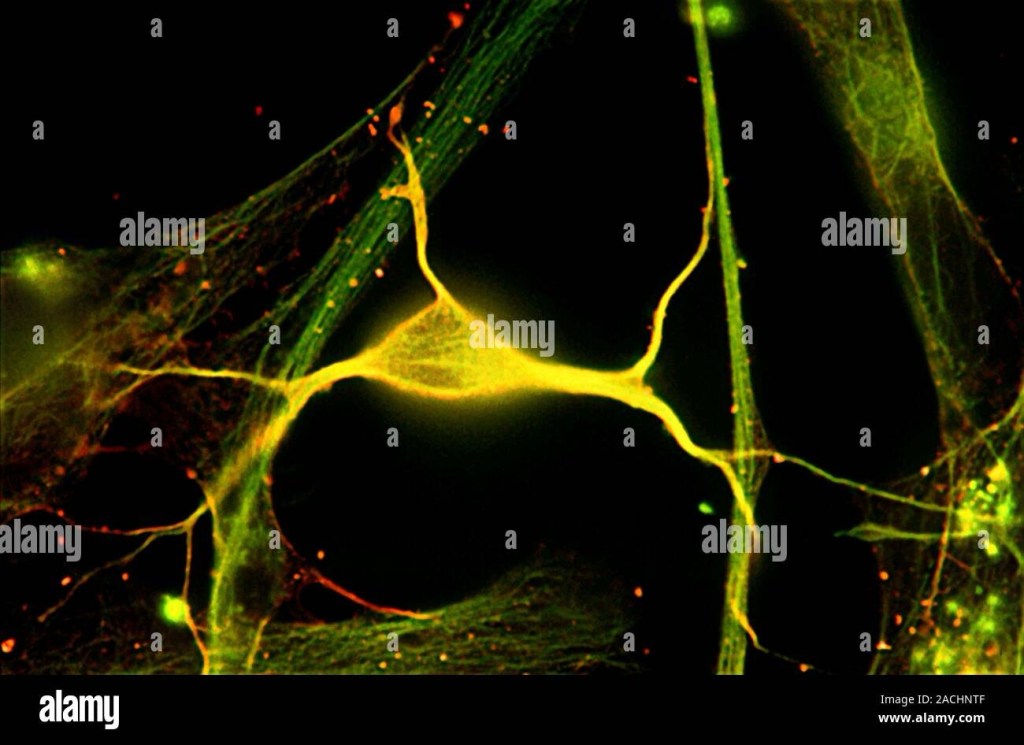
The University of Michigan has conducted two studies that help provide answers as to what happens in the brain during sleep and when sleep is deprived and how it could help or harm the memory formation. Specific neurons tune to specific stimuli. When a rat is in a maze, there are specific neurons that are on when the animal reaches certain spots in the maze. These neurones are called place neurons, they are also prevalent in the human brain and actively help in navigating the environment. The study is documented in the journal Nature and was led by Diba and a graduate student Kourosh Maboudi. These two, observed neurones in the hippocampus, a part of the brain involved in the memory formation, and have discovered to visually tune the neuronal patterns that locate when the animal is asleep.
Electrical activity such as the sharp-wave ripples emanate out from the hippocampus, after every couple of seconds, after many hours have passed even during restful states and sleep. This finding has intrigued researchers, the synchronicity of the ripples, the distance they take to travel, and the information that has spread from one part of the brain to another. These firings are thought to allow neurones to form and update these memories which includes place of location. As part of the study, the research group measured the brain activity of the rat during sleep, after the rat had completed a new maze. Utilising a type of statistics called Bayesian learning, it enabled them to track down the neurones that would respond back and to which areas of the maze. Diba continues, “Let’s say a neuron prefers a certain corner of the maze. We might see that neurons activate with others that show a similar preference during sleep. But sometimes neurons associated with other areas might co-activate with that cell. We then saw that when we put it back on the maze, the location preferences of neurones changed depending on which cells they fired during sleep.”
This method gives the plasticity or representational drift of the neurones in real time. It supports the theory that re-activation of neurones during sleep is why sleep is crucial for memory formation. Diba and his team also wanted to take a look at what happens during sleep deprivation. This is reflected in the second study that was published in Nature as well where they had compared the amount of neuronal re-activation versus the sequence of neuronal re-activation, that is, sleep versus during sleep loss. They realised that the firing neuronal patterns that were re-activating and re-playing during the maze experience were higher in sleep compared to sleep deprivation. Sleep deprivation corresponds to a similar or higher rate of sharp-wave ripples, but there were lower amplitude waves and lower power ripples. Diba further mentioned, “In almost half the cases, however, re-activation of the maze experience during sharp-wave ripples was completely suppressed during sleep deprivation.” Despite the sleep-deprived rats being able to catch up to sleep and the re-activation rebounding ever so slightly, they were no match to the rats that have slept normally. As re-activation and re-play are important for memory, the findings showcase the detrimental effects that sleep deprivation has on memory.
Diba and his team hope to continue on observing the nature of memory processing during sleep and why they need to be re-activated and the effects of sleep pressure on the memory.
 Scriveners Online©