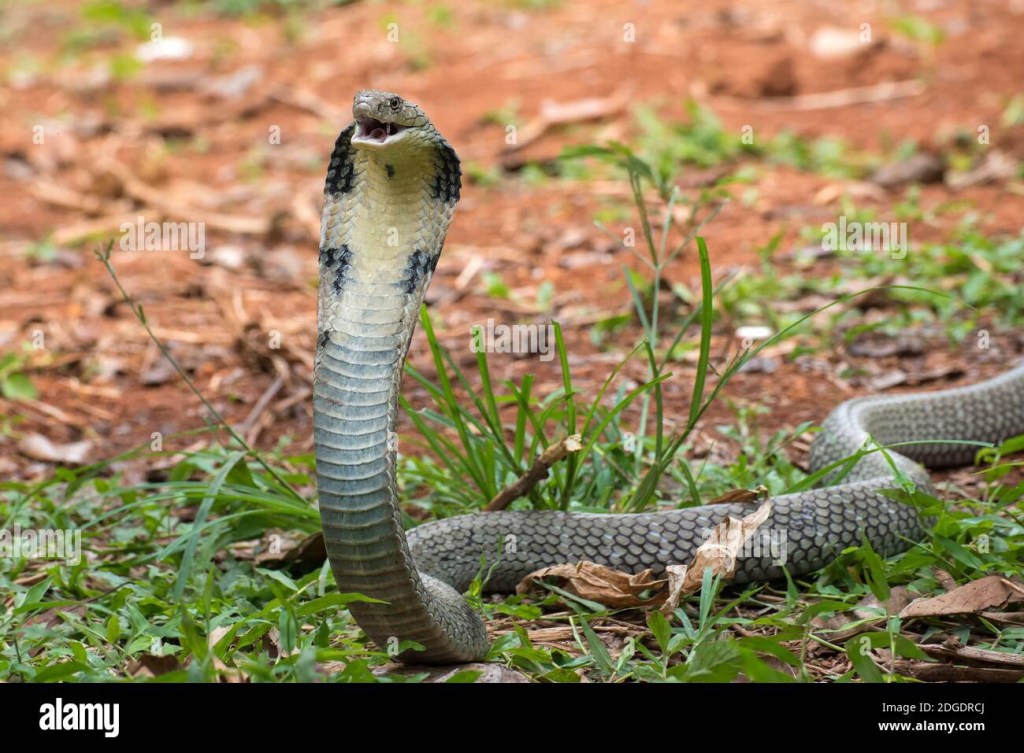
The anti-venom that is being used at present is expensive and lacks effectiveness when it comes to the treatment of tissue necrosis that occurs from the snake bite. The WHO has made snake bite a priority, to combat the rise in the tropical disease rate. It is a neglected public health crisis that needs to be solved! Here’s where scientists at the University of Sydney and Liverpool School of Tropical Medicine discover something impactful, heparin, an anti-coagulant, can be an inexpensive antidote for cobra venom.
This was carried out at the Dr John and Anne Chong Laboratory for Functional Genomics at the Charles Perkins Centre. Professor Neely and his team have decided to go through a systematic approach to look out for drugs to treat the deadly or painful venoms. They have made use of the CRISPR technology that aids to identify the genetic targets that are in the venom or toxins in humans and mammals. The knowledge gained is used to create a way that would block the interaction and ideally protect people from the nature of these venoms. This is the same team that have used the very same approach to figure out the antidote for box jellyfish venom in 2019.
Prof Casewell leads the Centre for Snakebite Research & Interventions at the Liverpool School of Tropical Medicine (LSTM). The centre has contributed to this work by conducting a wide variety of research activities that will aim at improving the knowledge of the biology of snake venoms that will target for the betterment of the efficacy, safety, and the affordability of the anti-venom treatments that are made available for tropical snake bites. It has been involved in this for more than 50 years. It has some of the world’s leading snakebite experts and provides access to LSTM’s largest and most diverse collection of tropical venomous snakes in the UK. The team that found the CRISPR gene editing method included scientists who were based in Australia, Canada, Costa Rica, and the UK. The research was published on July 17th, on the front cover page of Science Translational Medicine. For this favourable process to occur, the enzymes that need to be produced are heparan and heparin.
Due to its similarity in structure, the venom can bind to both of them. The heparinoid drugs are a ‘decoy’ antidote. The bite site is flooded with heparin sulfate/ heparinoid molecules, the neutralization of the toxins takes place within the venom itself. “Our discovery could drastically reduce the terrible injuries from necrosis caused by cobra bites-and it might also slow the venom, which could improve survival rates,” explains Prof Greg Neely who is the corresponding author of the study, Charles Perkins Centre and Faculty of Science at the University of Sydney. Tina Du, a PhD student and lead author, University of Sydney adds, “Heparin is inexpensive, ubiquitous and a World Health Organisation-listed essential medicine. After successful human trials, it could be rolled out relatively quickly to become a cheap, safe and effective drug for treating cobra bites.”
Prof Nicholas Casewell, a joint corresponding author, and Head of the Centre for Snakebite Research & Interventions at Liverpool School of Tropical Medicine elaborates, “Snake bites remain the deadliest of the neglected tropical diseases, with its burden landing overwhelmingly on rural communities in low and middle income countries. Our findings are exciting because current anti-venoms are largely ineffective against severe local envenoming, which involves the painful progressive swelling, blistering and/or tissue necrosis around the bite site. This can lead to loss of limb function, amputation, and life-long disability.” Prof Neely further explains, “That target is just five years away now. We hope that the new cobra antidote we found can assess in the global fight to reduce death and injury from snake bite in some of the world’s poorest communities.”
 Scriveners Online©