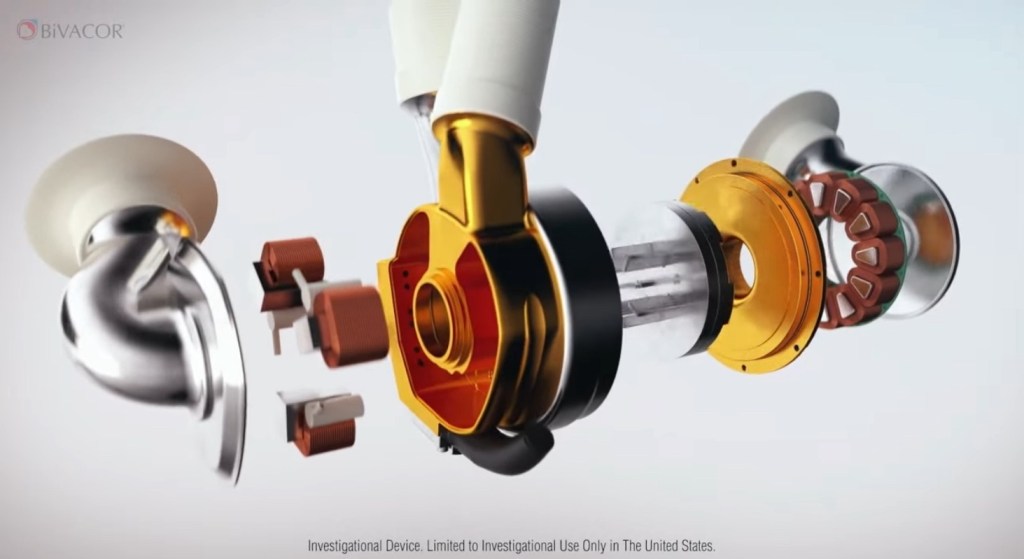
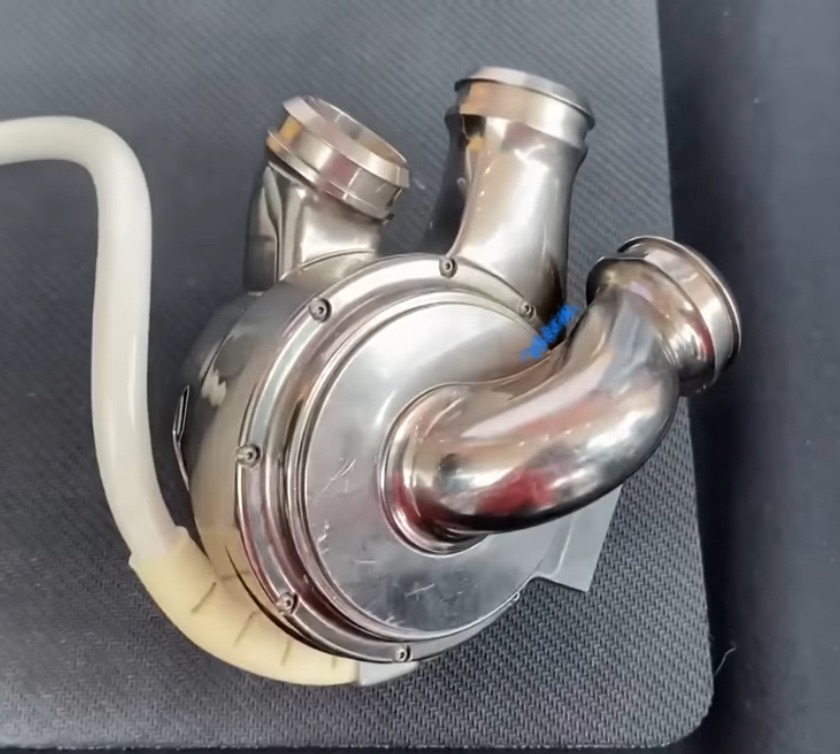
The Texas Heart Institute has invented a mechanical heart that can be implanted into the human body. This brilliant innovation can help restore function and keep ensuring that patients can live longer in the fight against heart failure. They have the capacity to fill out and eject oxygenated and deoxygenated blood and can beat a 100 times per minute just like a normal healthy functional heart. They also play a crucial role in maintaining the patients’ lives who are waiting for a healthy donor for a heart transplant. It is composed of titanium and is based on magnetic levitation (maglev) technology. Its components operate on a magnetic field with a spinning disk ensuring that it would hardly ever wear out. The maglev makes sure that the rotor enables blood to be pumped efficiently to other organs and parts of the body.
The engineering for the development of this product was led by Daniel Timms, an Australian who is a biomedical engineer by profession, and the BiVACOR Founder and Chief Technology Officer. He was inspired by the resilience his father had when dealing with his health condition. This can extend the quality of life for patients suffering from late stage heart failure. This news came out when THI and BiVACOR had announced the first successful artificial heart transplantation that was a part of the FDA’s Early Feasibility Study (EFS). The first patient to be admitted was a 57 year old man suffering from end stage heart failure, he was implanted with the BTAH device on 9th July, 2024. This device, however, is not a complete replacement of the vital organ instead it acts as a substitute till the patient receives a heart for transplant.
 Scriveners Online©