“Our goal is to provide a more thorough understanding of the mechanisms that drive MASH. A better understanding can lead to people being diagnosed earlier or before the disease is at such a late stage that a liver transplant may be the only treatment option.”
-Matthew Burchill, Senior Author, Associate Professor of Medicine, University of Colorado
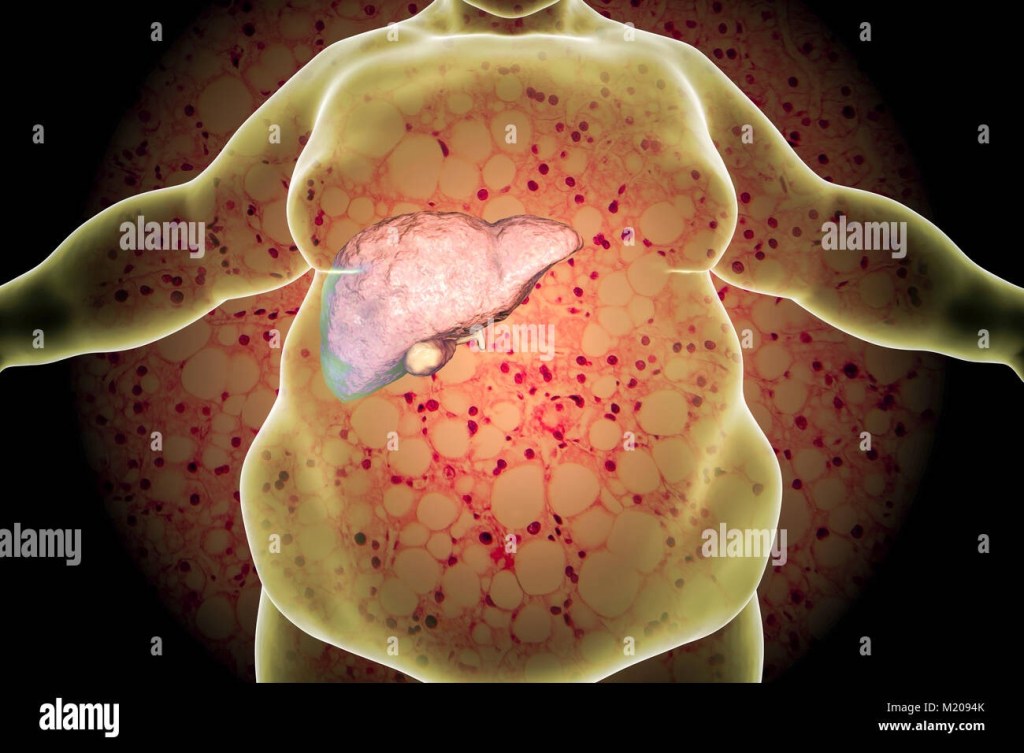
Research holds promise for an early intervention, updated understanding of the pathology that can target the disease before its too late. MASH is metabolic dysfunction associated steatohepatitis. It is a consequence of poor diet and obesity. The liver has an active, rapidly multiplying T cells and researchers have examined what these T cells look like in an animal model of MASH to investigate how they work on people having liver cirrhosis.
MASH is rapidly turning to be the most prevalent disease worldwide. Its a known slow killer and the disease progression takes decades. Burchill’s team has discovered that T cells multiply and change as a response to the toxic substances that are linked to poor diet. In infections like Hepatitis C, the CD8+ T cells clonally expand and accumulate in the liver of mice and humans with MASH. They are working towards identifying the specific substances that can trigger T cell activation and growth in liver during MASH. Looking out, for a biomarker that could give doctors the opportunity to arrive at a diagnosis. They add that more studies can help grasp the timing and persistence of antigen-driven T cell responses and disease progression and resolution in the liver.
 Scriveners Online©