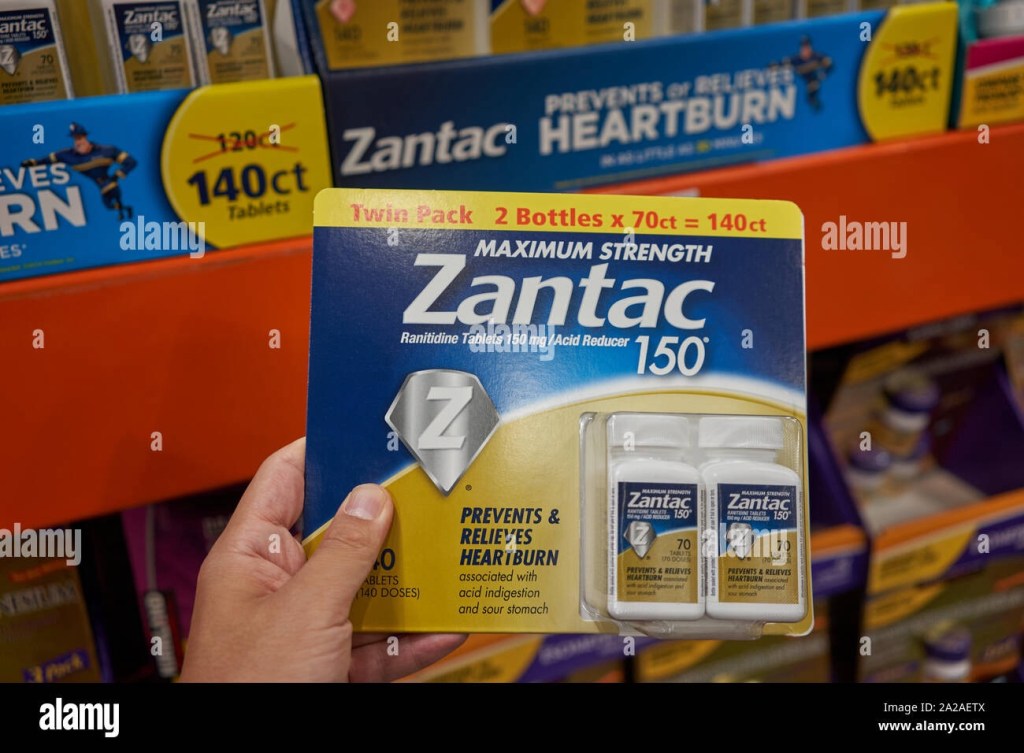
Zantac was once upon a time a reliable anti-acid tablet sold for 40 years and consumed over-the-counter lost the trust of its consumers.
Ranitidine was an antacid tablet developed by Glaxo/GlaxoSmithKline and it was FDA-approved in 1983. Sales peaked at 1 billion dollars. At the time, it was a prescribe-only drug. In 1996, it attained an over-the-counter status, making it more widely available. The expiration date of this patency drug with the Glaxo company gave other pharmaceuticals an opportunity to manufacture their own versions of the same intended purpose drug. Unfortunately, for them, Zantac was a popular household name, making its profits commercially successful. Boehringer in 2006 sold the rights of this drug to Sanofi roughly from 2007 to 2016. Profits were made and people were cured of GERD, it was regarded as a pharmaceutical success story by many. Unbeknownst to them, this would take a dark turn for the worst. gsk hid the fact that the tablet had contained trace amounts of NMDA known to cause cancer in humans. This poses a risk and threat giving rise to health concerns. This information was withheld from the US authorities for 37 years. The shock would hit hard later when a pharmacy company realised that there was 3 million nanograms of NMDA as opposed to the daily intake of 96 nanograms imposed by the FDA. The company valisure would file a complaint to the FDA about this. This company however thought that the heat was to blame when the reality was otherwise.
They came to the findings that heat can increase the amount of NMDA content stored in the Zantac. Another pharmaceutical company also filed a report against the medication. FDA promptly decides that the drug Zantac should no longer be sold on the pharmacy shelves. They were removed off the shelves for the greater safety of the public. Users of Zantac ended up with cancers of various organs and parts of the body. The victims would come together suing the company for a breach in trust. It got so bad that health alerts were released by news stations informing the public to avoid its consumption. But the company wouldn’t go down without a fight, gsk, sanofi, Pfizer, and Boehringer argued on the grounds that the experiments lacked methodologies, these lacked the documents to show how the experiments were conducted and that there was a lack of substance as to how they had arrived at such conclusions. US District Judge Robin Rosenberg ruled that the companies involved weren’t to blame. The victims continued to remain resilient, they would bring up their cases to the courts of law. gsk would dodge them.
All this changed in July 2024 when a Delaware judge ruled that the 77,000 complaints were relevant. The companies still continued to play the not credible enough response and stated that they would make an appeal. However, they would lose this time and the case made it to court. The current manufacturer of the drug, Sanofi would be under a lot of pressure. Saonfi ruled on behalf of the victims and Sanofi had to pay up to 100 million dollars to settle the case with each victim. Pfizer is paying around 250 million dollars to settle their end of the lawsuits. Inspite of all the bad press, all these four giant pharmaceutical companies continue to deny the harm their drug has caused.
Credit: Logically Answered. (Youtube )
 Scriveners Online©