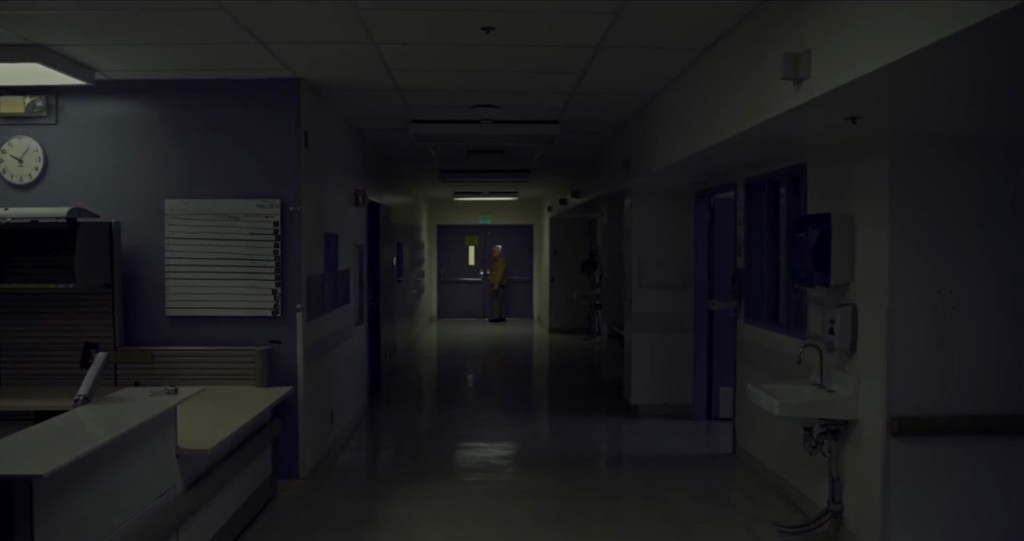
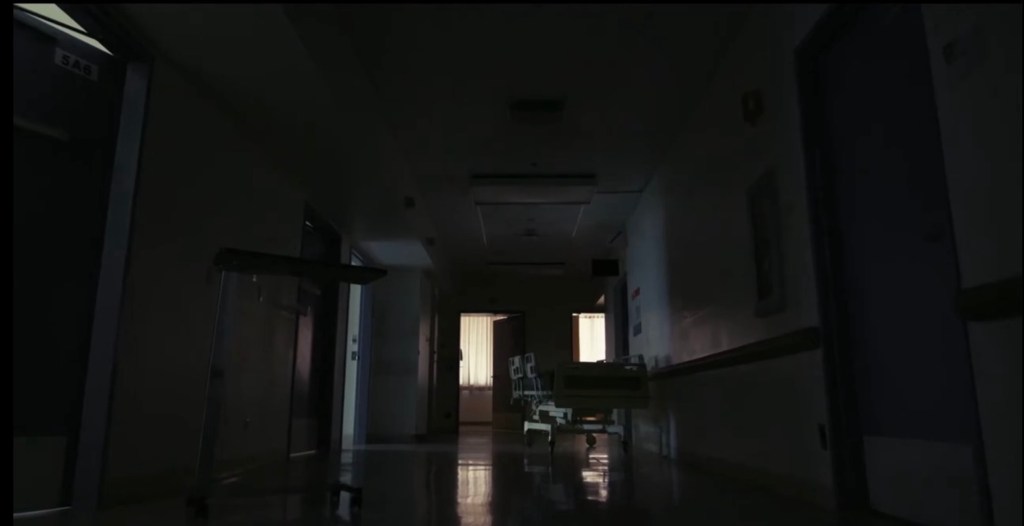
The first AIDS ward opened up on July 25, 1983. It was known as ward 5B in the San Francisco General Hospital. Most people who were gay were also HIV infected, this was before proteases were in the pharmaceutical market. What followed were the deaths and the fears among the public about how much contagious HIV truly is to wether compassionate care is a must in a hospital setting, and how much this has changed our knowledge of human health and disease in the modern-day healthcare.
The people who were afflicted with HIV between the ages of 20-30 were unaware of how deadly it was. In fact it had a 100% fatality rate. Which meant there was not much of an option for a terminal illness. It was a cancer epidemic that was triggered by HIV. IRP researcher Robert Gallo, MD, concurrently with researchers at the Pasteur Institute, showed that a retrovirus, dubbed HTLV-III—later renamed the human immunodeficiency virus (HIV)—is the virus that causes AIDS. HTLV-III is the causative agent of AIDS. In the years before effective treatments for AIDS were developed, diagnosis followed by public health initiatives aimed at restricting transmission of the virus were employed. The ward also had its nurses face heavy discrimination and understaffing issues. They later on also faced an overwhelming increase in the entry of new cases with homosexual patients seeking compassionate care and treatment for their diseases caused by their weak immunity. Ward 5B was constantly televised by a filming crew as the nurses carry on with their roles. This is the 1980s we’re talking about! This rare form of cancer was Kaposi’s sarcoma and was dubbed ‘gay cancer.’ Among the others were non-Hodgkin’s lymphoma and cervical cancer. These are called AIDS-related cancers because they occur more often in people whose immune systems have been weakened by HIV/AIDS. People living with HIV have a documented increased risk of Kaposi sarcoma (800 times), Merkel cell carcinoma (13·4 times), squamous cell carcinoma (2·1–5·4 times), and an increased risk of high-risk melanomas compared with patients who are HIV-negative. On July 3, 1981, a now-famous New York Times article carried the headline, “Rare Cancer Seen in 41 Homosexuals.” The article described the sudden appearance, in gay men from New York and Los Angeles, of a rare skin cancer called Kaposi’s sarcoma (KS). About 50% of AIDS patients in 1981 had KS as their presenting symptom. At the time, cancer was the most dreaded disease in the United States. But for some of the men who had the mysterious new illness, calling it “cancer” was a form of hope. In San Francisco, the first AIDS support groups was run by a group called the Shanti Project, which was organized before AIDS to support people with cancer. Several of the city’s first AIDS doctors were cancer doctors.
Today, researchers are hot on the trail of an effective and safe HIV vaccine that might one day eradicate the deadly disease.
Sources: 5B: Sharing Untold Stories (2018) documentary, https://www.cancerresearch.org/blog/august-2014/when-aids-was-a-cancer, HIV and Cancer: What is the Link? – New York State Department of Health, Skin cancer risk in people living with HIV: a call for action – ScienceDirect, https://www.npr.org/2006/05/08/5391495/remembering-the-early-days-of-gay-cancer, https://irp.nih.gov/accomplishments/demonstration-that-htlv-iii-is-the-causative-agent-of-aids#:~:text=IRP%20researcher%20Robert%20Gallo%2C%20M.D,the%20virus%20that%20causes%20AIDS.
 Scriveners Online©