Synthetic cannabinoids (SCs) are emerging drugs of abuse sold as ‘K2’, ‘K9’ or ‘Spice’. Evidence shows that using SCs products leads to greater health risks than cannabis. They have been associated with greater toxicity and higher addiction potential unrelated to the primary psychoactive component of marijuana, Δ9-tetrahydrocannabinol (Δ9-THC).
Cannabimimetics (commonly referred to as synthetic cannabinoids), a group of compounds encompassing a wide range of chemical structures, have been developed by scientists with the hope of achieving selectivity toward one or the other of the cannabinoid receptors CB1 and CB2. The goal was to have compounds that could possess high therapeutic activity without many side effects. However, underground laboratories have used the information generated by the scientific community to develop these compounds for illicit use as marijuana substitutes. This chapter reviews the different classes of these “synthetic cannabinoids” with particular emphasis on the methods used for their identification in the herbal products with which they are mixed and identification of their metabolites in biological specimens.
In the early 2000s, substances (e.g., JWH-018) which were primarily created for research purposes started appearing in smoking mixes, and these concoctions for smoking quickly gained popularity, particularly in nations where cannabis use for recreational purposes was prohibited or where users wanted to avoid being detected through standard drug testing. For this reason, several SCs began to be created in secret labs, combined with dried herbal mixes, and sold online as acceptable substitutes for cannabis (or ‘legal highs’). Known as ‘K2’ (in North America), ‘Spice’ (in Europe), ‘Youcatan’, ‘Chill’, or ‘Black Mamba’ and reportedly safe for eating, these concoctions have been widely marketed as smokable herbal combinations [11].
Since then, SCs use has grown considerably, which raises concerns about potential harm. Currently, there are hundreds of SCs known, and the SCs market is constantly evolving, so new compounds are continually being developed. Although often compared to THC, synthetic cannabinoids are not structurally related to the natural cannabinoids present in marijuana. Based on earlier SCs structures, four substructures with an indole, indazole, or carbazol core encircled by various N-substituents were used to create SCs. They form a heterogeneous group, but most SCs are lipid-soluble, nonpolar, composed of 22 to 26 carbon atoms, and very volatile when heated [6].
Nonetheless, anecdotal accounts reported SCs as having deadly side effects, as well as causing neurological disorders (e.g., psychosis, agitation, irritability, paranoia, confusion, anxiety), psychotomimetic effects (e.g., hallucinations, delusions, self-harm), cardiac arrhythmias, several other physical conditions (e.g., tachypnea, hypertension, nausea, vomiting, acute kidney injury, fever, hyperglycemia, hypokalemia, sedation), and fatalities [7,8,12,13,14,15]. Later SCs generations, with psychoactive effects and anecdotal user reports, were released onto the drug market over time, producing severe adverse effects such as increased heart rate, panic attacks, and convulsions [16].
SCs are classified into four distinct generations [17]. The first generation was the pioneer in terms of production; they are CB1 and CB2 full agonists, but with higher affinity than THC and more potent dopamine-stimulating action [18,19]. These include JWH-018, CP-47,497, and HU-210 derivatives [20]. The second generation includes AM-2201 and others from the JWH series, such as JWH-210. An even higher CB receptor affinity is characteristic of the second generation, which distinguishes itself from the first generation only in terms of chemical structure [18]. It corresponds to alkyl derivatives N-methyl piperidine and benzoyl indoles [20]. Compared to the first and second generations, the third generation has the highest affinity to the CB1 receptor, and examples include AB-CHMINACA and MDMB-CHMICA [19]. It presents an indole ring that has been replaced with an indazole or benzimidazole group. This generation also includes compounds with the carbonyl group replaced by a carboxylic or carboxamide group or quinolones with a secondary crystalline structure and nitrogen-containing groups [20]. Lastly, the fourth-generation SCs present an indole or indazole core; an ester, amide, or ketone linker; quinolinyl, naphthyl, adamantyl, tetramethylcyclopropyl, or other moiety ring; and a hydrophobic side chain attached to the nitrogen atom of the indole or indazole core. These main substances are 4F-MDMB-BINACA and 4F-ABINACA [17]. There are no clinical records about toxicological effects or information available as to the pharmacokinetics of the fourth generation.

The Toxicology Profile of Spice
Synthetic cannabinoids, interestingly, have a toxicology profile that is quite similar to other synthetic drugs, such as opioids, which have postmortem effects similar to those of SCs. In recent years, the growing number of synthetic opioids, such as fentanyl analogs, has been a source of concern due to their extreme potency, toxicity, and fatality, even at low dosages, as stated by UNODC [1]. Autopsy examinations demonstrated that pulmonary congestion, cardiomegaly, and cerebral edema associated with isotonitazene, followed by metonitazene, were also toxic effects of synthetic opioids [99]. Nonetheless, the toxicity profile observed in SCs differs from other substances directly linked to fatal toxicology cases, such as phenethylamine or phenyl cyclohexyl piperidine (PCP), phencyclidine analogs, and benzodiazepine derivatives. Phenethylamines are well-known amphetamines that include compounds such as 2C, NBOMe, NBOH, benzofurans (for example, Bromo-Dragonfly), and others (6-APB, PMMA) [100,101].
Most minor intoxications just call for symptomatic care and typically do not necessitate hospitalization. Arrhythmias, considerable chest discomfort, convulsions, extreme agitation, or other symptoms of acute intoxication should all be investigated further in a hospital setting. The unexpected effects and absence of a distinct toxidrome to identify SCs from other recreational drugs make management more difficult due to the lack of an antidote for SCs comparable to that for opioid overdose. Different illnesses, such as hypoglycemia, infections, thyroid hyperactivity, head trauma, and mental disorder, must be ruled out in order to make a differential diagnosis.
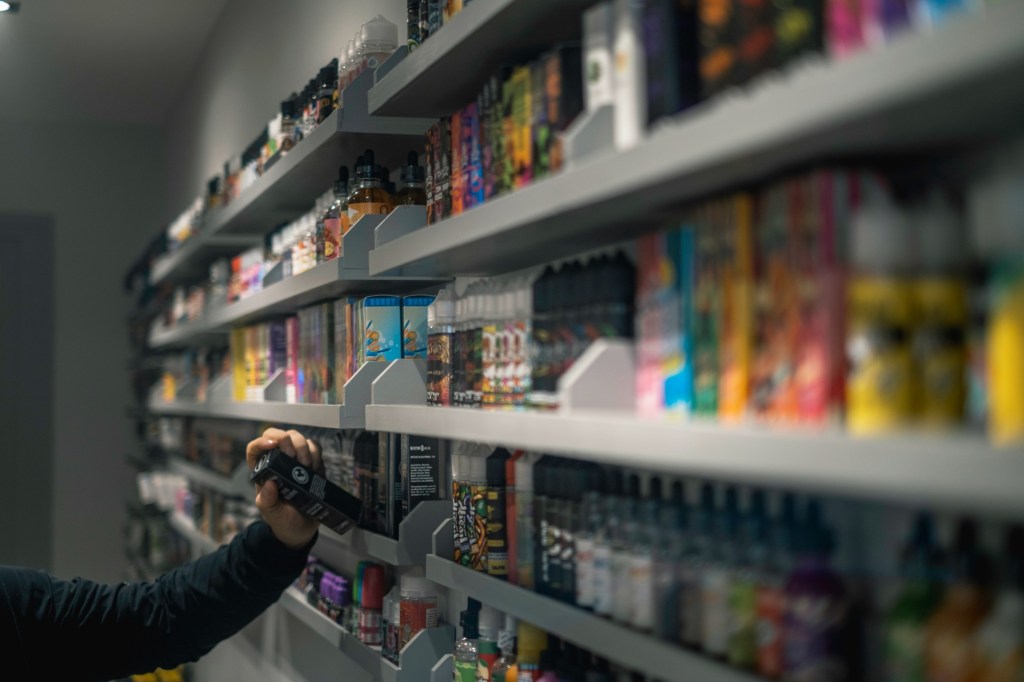
Synthetic cannabinoids are sold at small convenience stores, head shops, gas stations, and onliine from both domestic and international sources. These products are labeled “not for human consumption” in an attempt to shield the manufacturers, distributors, and retail sellers from criminal prosecution. This type of marketing is nothing more than a means to make dangerous, psychoactive substances widely available to the public.
What does it look like?
These chemical compounds are generally found in bulk powder form, and then dissolved in solvents, such as acetone, before being applied to dry plant material to make the “herbal incense” products. After local distributors apply the drug to the dry plant material, they package it for retail distribution. As these products have no accepted medical use, this process is done without pharmaceutical-grade chemical purity standards, or any concern for the user. It ignores any control mechanisms that would serve to ensure a uniform concentration of the powerful and dangerous drugs contained in each package. The disregard for the public’s safety and often encountered “hot spots” in the drug packaging can result in a person ingesting a highly concentrated portion of the drugs without their knowledge, often leading to serious adverse health effects. The bulk powder can also be dissolved in solution intended to be used in e-cigarette or other vaping devices.
What are its overdose effects?
Severe adverse effects have been attributed to the use of synthetic cannabinoids, including nausea, vomiting, agitation, anxiety, seizures, stroke, coma, and death by heart attack or organ failure. Acute kidney injury requiring hospitalization and dialysis in several patients reportedly having smoked synthetic cannabinoids has also been reported by the Centers for Disease Control and Prevention.
Which drugs cause similar effects?
Synthetic cannabinoids are marketed as an alternative to THC, the main psychoactive constituent of marijuana, however they are much more potent and have been shown to cause side effects that are more severe than those reported from THC.
What is its effect on the mind?
Acute psychotic episodes, dependence, and withdrawal are associated with use of these synthetic cannabinoids. Some individuals have suffered from intense hallucinations. Other effects include severe agitation, disorganized thoughts, paranoid delusions, and violence after smoking products laced with these substances
The number of patients presented to the emergency department with problems associated with these drugs has dramatically increased. In March, 2011 the US Drug Enforcement Administration (DEA) scheduled five synthetic cannabinoids (JWH-018, JWH-073, JWH-200, CP-47,497, and CP-47,497 C8 homologue) as schedule 1 controlled substances. Many of these products especially Spice and K2 have been banned in many European countries (ElSohly et al., 2011, Wells and Ott, 2011) and in May 2013, three synthetic cannabinoids (UR-144, XLR-11 and AKB-48) were also placed in schedule 1.
Moreover, compared to THC, some synthetic cannabinoids possess a 4–5 times improved binding affinity to the cannabinoid CB1 receptor and many toxicity symptoms were reported including anxiety, paranoia, tachycardia, irritability, hallucination, numbness, seizures, high blood pressure, drowsiness, and slurred speech (Seely et al., 2012). Over the past few years a great effort has been exerted to identify and quantify synthetic cannabinoids in herbal products, and detect their metabolites in body fluids (urine, serum, and saliva) and also in hair specimens.
According to the Professional Version of the MSD Manuals (I would love for the BNF to add on this!)
THC is the primary active ingredient in marijuana (cannabis). There are many chemical families of synthetic cannabinoids, including HU-210, JWH-073, JWH-018, JWH-200, AM-2201, UR-144, and XLR-11; new compounds are being reported regularly. Slang terms for these include “K2” and “spice.”
Effects vary greatly depending on the specific cannabinoid, and many of the acute and chronic effects remain unknown. However, stimulation of the THC receptor causes altered mental status with agitation, hallucinations, and psychosis (that may be irreversible). Cardiovascular effects include hypertension, tachycardia, and myocardial infarction. Neurologic effects include seizures and blurred vision. Additional reported effects include vomiting, hyperthermia, rhabdomyolysis, and renal failure.
Symptoms and Signs of Synthetic Cannabinoid Use
Patients taking synthetic cannabinoids may have severe agitation, hallucinations, tachycardia, hypertension, diaphoresis, and seizures.
Diagnosis of Synthetic Cannabinoid Intoxication
- Usually a clinical diagnosis
Synthetic cannabinoids are not detected on routine urine screening.
Patients with severe acute intoxication who are severely agitated may need to be evaluated for rhabdomyolysis with blood tests (complete blood count, electrolytes, blood ureanitrogen, creatinine, creatine kinase), urine testing for myoglobinuria, and ECG.
Treatment of Synthetic Cannabinoid Intoxication
- IV sedation with benzodiazepines
For patients taking synthetic cannabinoids, the treatment is supportive. IV fluids and sedation with IV benzodiazepines are typically adequate. Patients with hyperthermia, persistent tachycardia or agitation, and elevated serum creatinine should be admitted for further monitoring for rhabdomyolysis and cardiac and renal injury.

On further reading:
https://www.theguardian.com/world/2018/oct/23/new-zealands-synthetic-cannabis-crisis
Sources:
https://www.sciencedirect.com/science/article/abs/pii/S0024320514000071
https://palmer.municipal.codes/PMC/9.95.080
Picture Credit: Unsplash
 Scriveners Online©