❝Never do anything by halves if you want to get away with it. Be outrageous. Go the whole hog. Make sure everything you do is so completely crazy it’s unbelievable.❞
-Roald Dahl, Matilda (1988)

A ‘med comms’ site for everyone!

✒︎ Informative

Presenting the latest news, discoveries and innovations in medicine in a blog-style format!

⚕ Global

Reaches the national and the international readers!

♛ Unique & Dynamic

There’s an article for everyone in all areas of medicine!

#scriveners

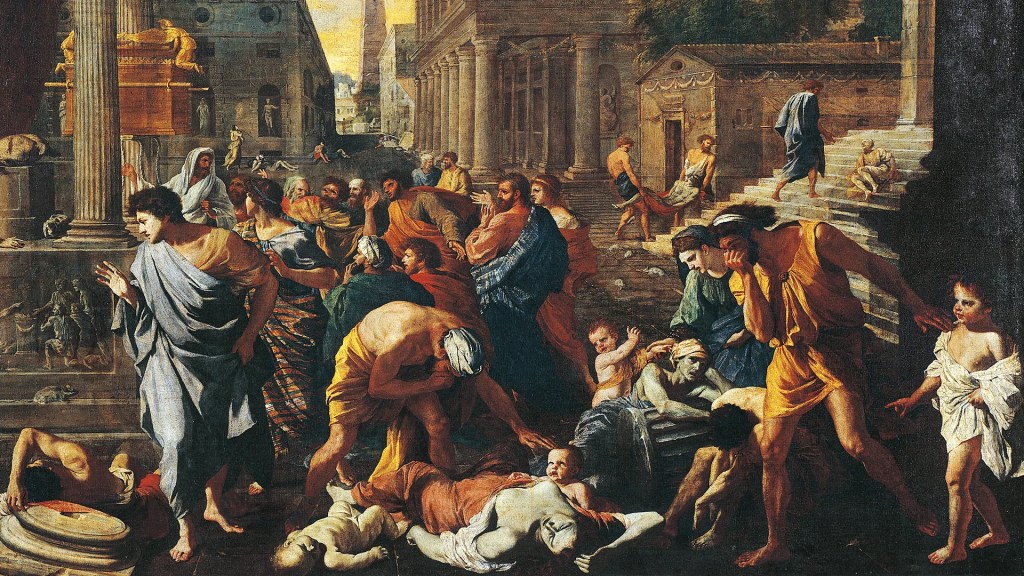
The Plague of Ashdod (1630) Nicholas Poussin

The artwork “The Plague of Ashdod” was created by the French painter Nicolas Poussin in 1630. It portrays the biblical narrative of a divine plague inflicted upon the people of Ashdod. 

This dramatic scene of divine punishment is described in the Old Testament. The Philistines are stricken with plague in their city of Ashdod because they have stolen the Ark of the Covenant from the Israelites and placed it in their pagan temple. You can see the decorated golden casket of the Ark between the pillars of the temple. People look around in horror at their dead and dying companions. One man leans over the corpses of his wife and child and covers his nose to avoid the stench. Rats scurry towards the bodies. The broken statue of their deity, Dagon, and the tumbled down stone column further convey the Philistines’ downfall.

In the artwork, Poussin vividly depicts the turmoil and suffering caused by the plague. The foreground is filled with the stricken inhabitants of Ashdod; their bodies are contorted in agony or limp in the stillness of death, illustrating the mercilessness of the affliction. The variety of postures and expressions captures the range of human suffering and chaos that accompanies such disaster. 

Amongst the afflicted, several figures stand out due to their dynamic gestures or central placement within the composition, drawing the viewer’s eye and emphasizing the emotional impact of the scene. In the background, classical architecture gives a sense of order and permanence that starkly contrasts with the disarray and despair of the figures. Poussin’s use of colour and light skilfully highlights the drama, with the dark and earthy tones of the suffering masses set against the lighter, more serene sky, which suggests divine presence or intervention.

Poussin’s use of color and light skillfully highlights the drama, with the dark and earthy tones of the suffering masses set against the lighter, more serene sky, which suggests divine presence or intervention. The overall effect is one of a carefully structured scene that conveys a narrative full of intensity and profound human drama, characteristic of the religious paintings of the period and the classical style Poussin is renowned for. Poussin began to paint The Plague of Ashdod while the bubonic plague was still raging throughout Italy though sparing Rome. He first called the painting The Miracle in the Temple of Dagon, but later it became known as The Plague of Ashdod.

The painting most importantly provides a view into how illness and diseases were feared at that time in the past and the fact that people had the knowledge that it was transmissible during that time period which was the 16th century.

🥳𝐉𝐮𝐬𝐭 𝐢𝐧𝐬𝐭𝐚𝐥𝐥𝐞𝐝 𝐚 𝐧𝐞𝐰 𝐩𝐥𝐚𝐧 𝐚𝐧𝐝 𝐜𝐡𝐚𝐧𝐠𝐞𝐝 𝐭𝐡𝐞 𝐬𝐢𝐭𝐞 𝐚𝐝𝐝𝐫𝐞𝐬𝐬! 𝐖𝐞’𝐯𝐞 𝐮𝐩𝐠𝐫𝐚𝐝𝐞𝐝 𝐛𝐚𝐛𝐲! 🎉 scrionl.blog ♡
🚨𝐃𝐮𝐞 𝐭𝐨 𝐬𝐨𝐦𝐞 𝐮𝐧𝐟𝐨𝐫𝐞𝐬𝐞𝐞𝐧 𝐜𝐢𝐫𝐜𝐮𝐦𝐬𝐭𝐚𝐧𝐜𝐞 𝐈 𝐰𝐢𝐥𝐥 𝐛𝐞 𝐭𝐚𝐤𝐢𝐧𝐠 𝐚 𝐡𝐢𝐚𝐭𝐮𝐬 𝐟𝐨𝐫 𝐚 𝐩𝐞𝐫𝐢𝐨𝐝 𝐨𝐟 𝐨𝐧𝐞 𝐦𝐨𝐧𝐭𝐡!🚨
𝐖𝐞 𝐧𝐨𝐰 𝐡𝐚𝐯𝐞 𝐚𝐧 𝐈𝐧𝐬𝐭𝐚𝐠𝐫𝐚𝐦 𝐚𝐜𝐜𝐨𝐮𝐧𝐭!📱
𝐀 𝐧𝐞𝐰 𝐬𝐞𝐜𝐭𝐢𝐨𝐧 ‘𝐂𝐨𝐧𝐭𝐚𝐜𝐭’ 𝐡𝐚𝐬 𝐛𝐞𝐞𝐧 𝐚𝐝𝐝𝐞𝐝! 📞

𝐓𝐡𝐞 ‘𝐋𝐢𝐧𝐤𝐬 & 𝐁𝐨𝐨𝐤𝐬 & 𝐘𝐨𝐮𝐓𝐮𝐛𝐞 & 𝐏𝐨𝐝𝐜𝐚𝐬𝐭𝐬’ 𝐬𝐞𝐜𝐭𝐢𝐨𝐧 𝐢𝐬 𝐧𝐨𝐰 𝐚𝐯𝐚𝐢𝐥𝐚𝐛𝐥𝐞!💙
𝐍𝐞𝐰 𝐰𝐚𝐥𝐥𝐩𝐚𝐩𝐞𝐫𝐬 𝐡𝐚𝐯𝐞 𝐛𝐞𝐞𝐧 𝐚𝐝𝐝𝐞𝐝 𝐭𝐨 𝐭𝐡𝐞 ‘𝐄𝐱𝐭𝐫𝐚𝐬’ 𝐬𝐞𝐜𝐭𝐢𝐨𝐧. 𝐃𝐨 𝐜𝐡𝐞𝐜𝐤 𝐢𝐭 𝐨𝐮𝐭!⚡️
𝐀𝐧𝐧𝐨𝐮𝐧𝐜𝐞𝐦𝐞𝐧𝐭: 𝐌𝐨𝐫𝐞 𝐭𝐡𝐚𝐧 𝐚 𝟏𝟎𝟎 𝐭𝐡𝐚𝐧𝐤𝐬! 𝐖𝐞’𝐯𝐞 𝐫𝐞𝐚𝐜𝐡𝐞𝐝 𝟏𝟎𝟎 𝐩𝐨𝐬𝐭𝐬! 🍾 🍷
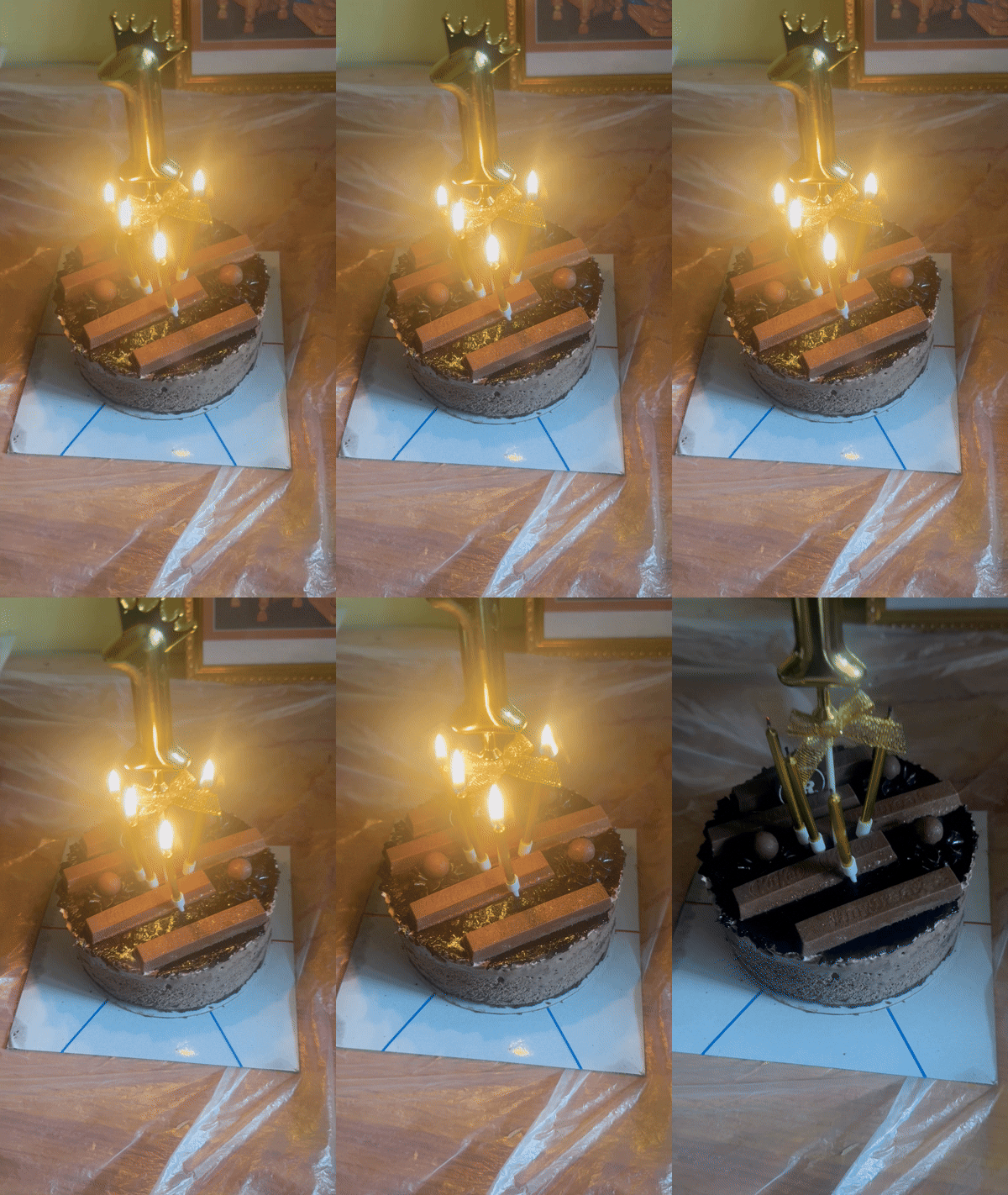
𝓒𝓮𝓵𝓮𝓫𝓻𝓪𝓽𝓲𝓷𝓰 𝓽𝓱𝓲𝓼 𝓶𝓮𝓭𝓲𝓬𝓪𝓵 𝔀𝓻𝓲𝓽𝓲𝓷𝓰 𝓫𝓵𝓸𝓰’𝓼 1-𝔂𝓮𝓪𝓻 𝓪𝓷𝓷𝓲𝓿𝓮𝓻𝓼𝓪𝓻𝔂!🍾🍷

A Low Pay Could Discourage Foreign Doctor Intake for the UK

Low salaries for international graduates who want to work for the UK could be indiscriminately ‘forced’ to go back home. This is a main concern for the RCGP, who say that a certain number of hours might challenge visa obtaining at the moment for IMGs. Dr Steve Taylor says that it’s vital for IMG doctors…

The Aftermath of Switching to an Online GP Consultation

Investigative finds by GPonline has revealed that as much as 80% of ICBs are affected by the replacement of face to face consultations to online consultations.   The BMA has called to limit the workload as these general practices can be short staffed or had reached full capacity. A freedom of information request has revealed…

An Unrestricted Death Toll Rise

Healthcare at a U-turn shift globally.   ✩ Children dying are on the rise in this century according to the Gates Foundation report.    ✩ Progression of foreign aid, vaccines, medicine, nutrition and healthcare have resulted in the decline of child death rates since the 1990s.   ✩ The anti vax movement has gained a…

Preventing Asthma Development in Newborns

“Childhood asthma is a complex disease with many contributing factors,” explains Prof Bart Lambrecht (VIB-UGent Center for Inflammation Research), senior author of the study. “We found that early-life RSV infection and genetic allergy risk interact in a very specific way that pushes the immune system toward asthma. The encouraging news is that this process can…

Cannabis Causes CHS

CHS cannabinoid hyperemesis syndrome has risen in the US emergency departments between 2016 and 2022 and have continued to remain up as discovered by researchers at the Jane Addams College of Social Work at the University Illinois Chicago. Statistics show that as of June 2025 close to half of the US residents residing in the…

How Criticality Made ICUs Spicier…

Preface “That cold Irish evening, through the dark mist of my final Guinness, I started writing this book. It is not a book filled with joy – indeed, there will be sadness – but there is always hope. I will take you on a journey to the light and the dark places that critical ill…

  • [Exclusive] A Curry Recovery

    by

    Nivea Vaz ,
    3–4 minutes

    Europe was clueless about the Eastern plants and one man played a prominent role in bringing this information to the Western lands. Through his work, there was knowledge sharing of the traditional Eastern herbs to the modernised Western world of medicine.

    Garcias de Orta was a plant-obssessed scholar and a firm believer in homoeopathic applications through the healing power of herbs. A herbalist and physician of Jewish-Portuguese descent, he would devote his entire life to medicine from the very beginning to the end. He was a lecturer in the subject of Natural Philosophy at the University of Lisbon, and he also had some years of experience educating students on the medical practices in Portugal. Impressively enough, he also served the King of Portugal and Algarve, King John III as his physician.

    One of his most revolutionary and well-known contributions to the medieval medicine was that he was an author of a treatise on the codex of the Indian remedial herbs for digestion and healing. Back then, in India, people still believed in the curative potential of herbs as medicines that were made were derived from the herbs available akin to the Western philosophy of treatment in the primitive times. He made Goa his permant residence after leaving Portugal, creating a farm that would eventually enable him to gather, all that he could on the individual uses of the Eastern herbs. His dream was to ultimately compile the ingredient list of the Eastern dishes and write down the therapeutic benefits. Most of the aforementioned ingredients are an essential; forming the backbone of a variety of the Goan and the Mangalorean dishes. He was notably the first European doctor to describe the symptoms of many Asian-specific tropical diseases in India, particularly cholera and is also remarkably the first to perform an autopsy on a cholera-diseased person.

    His book that was published in 1563 titled ‘Colóquios dos simples e drogas da India’ which translates roughly to ‘Colloquies on the simples and drugs of India’ would ultimately expose the Eastern herbs that Europe was unaware of at that time! His writings consist of 134 different plant species. His book was later translated to Latin and is a widely used reference text on the medicinal plants. It was through his published work that the Europeans learned of the Eastern medicinal herbs pertaining to the Indian approaches.

    Under the influential repercussions of the Inquisition of Portugal, his remains were exhumed and burnt on the grounds that he was suspected of secretly practising Judaism as his sister had secretly confessed it in her diary and was burned on the stake upon its discovery. There were detailed accounts of her spiritual connection to Judaism over Christianity and this made Orta, his daughters and his wife the next target. He lived in Goa for over 30 years and is an immigrant and an escapee of the Portuguese Inquisition Wars. Intermixing of cultures and cuisines took place and shaped Goa into the way it is known and loved for today. The Portuguese adapted and shared their knowledge of sourced ingredients and spices with the locals of Goa. The locals, in turn, provided their herbs and spices. Hence, a cultural amalgamation through food, religious beliefs and practices took place-becoming the forefront of Goan and Mangalorean cultural diversity and progressively its identity.

    He is honoured in both Goa and Portugal. The 1971 Portuguese bank notes bears his image. Botanical Gardens in Goa and prominent institutions carries his name as a living memory of his invaluable contributions and dedications to his discoveries in medicine!

    Even today, it is an established fact that a lot of the Indian varieties of meals have a therapeutic factor to them!

    The entry that changed the viewpoint and understanding of Indian herbs in the West!


    Rating: 5 out of 5.

    4,560 hits

    Leave a comment

    𝙷𝚘𝚠 𝚖𝚎𝚍𝚒𝚌𝚒𝚗𝚎 𝚊𝚗𝚍 𝚑𝚎𝚊𝚕𝚝𝚑𝚌𝚊𝚛𝚎 𝚊𝚏𝚏𝚎𝚌𝚝 𝚞𝚜 𝚒𝚗 𝚝𝚑𝚎 𝚜𝚖𝚊𝚕𝚕𝚎𝚜𝚝 𝚘𝚏 𝚠𝚊𝚢𝚜 𝚕𝚎𝚊𝚍𝚒𝚗𝚐 𝚝𝚘 𝚋𝚒𝚐𝚐𝚎𝚛 𝚒𝚖𝚙𝚊𝚌𝚝𝚜 𝚊𝚗𝚍 𝚕𝚒𝚏𝚎-𝚌𝚑𝚊𝚗𝚐𝚒𝚗𝚐 𝚌𝚘𝚗𝚜𝚎𝚚𝚞𝚎𝚗𝚌𝚎𝚜! 𝚄𝚕𝚝𝚒𝚖𝚊𝚝𝚎𝚕𝚢, 𝚌𝚑𝚊𝚗𝚐𝚒𝚗𝚐 𝚠𝚑𝚊𝚝 𝚠𝚎 𝚌𝚊𝚕𝚕 ‘𝚑𝚎𝚊𝚕𝚝𝚑𝚌𝚊𝚛𝚎.’

    “Copyright [2024], [2025], [Scriveners], [Scriveners Online], All Rights Reserved. Any unauthorised duplication or use of this material is strictly prohibited.”

    ‘𝙰 𝚙𝚛𝚘𝚞𝚍 𝚖𝚎𝚍𝚒𝚌𝚊𝚕 𝚜𝚝𝚞𝚍𝚎𝚗𝚝’𝚜 𝚒𝚗𝚒𝚝𝚒𝚊𝚝𝚒𝚟𝚎 𝚊𝚗𝚍 𝚘𝚠𝚗𝚎𝚛𝚜𝚑𝚒𝚙!’‘