






In the quest to feel young and expand longevity, people have resorted to bio-hacking. He’s the cousin of Bryan Johnson when it comes to finding out ways to explore the options from the diverse methods of wellness and health to be at its optimum. Dave Asprey has not just coined the term ‘biohacking’ but he’s also been able to popularise it and write a book about it! The name of the book, ‘The Bulletproof Diet’ is a New York Times bestselling book, giving it a household name for itself!
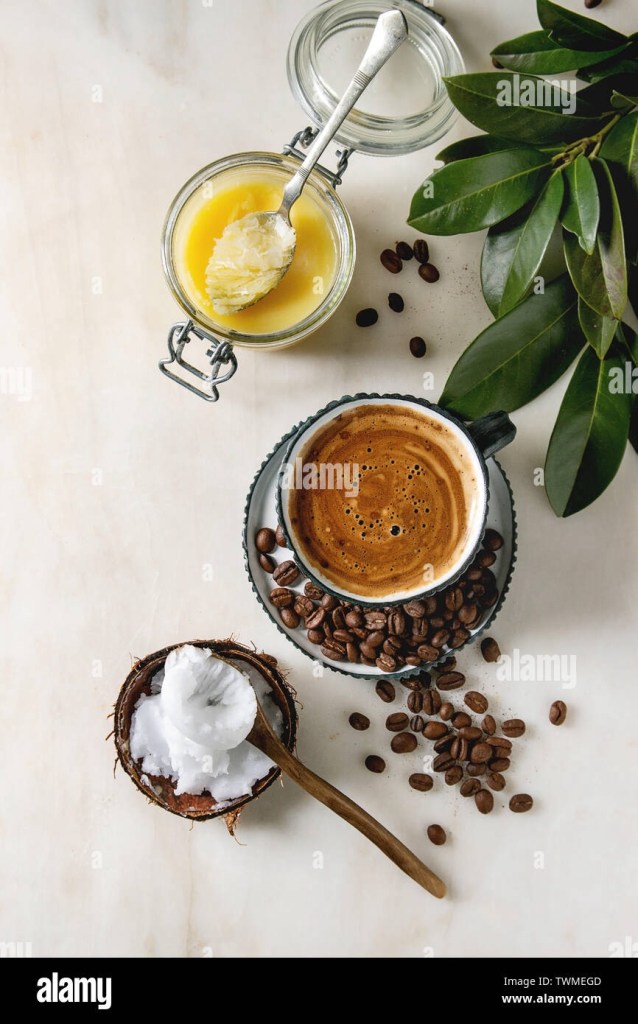
Investing 2 million dollars into this project, and ironically having a physician wife, he’s created something huge that would stop us from being too reliant on today’s doctors. The words ‘bio-hacking’ has managed to have a spot on the Merriam-Webster dictionary! He believes in the power of supplements, diets, and exercises. It is now seen as the future to envision for a fit, happy and healthy life! His ‘Bulletproof Diet’ consists of good-for-the-heart fats, organic produce, grass-fed animals, and keeping off sugar, grains and processed and ultra-processed foods. He has worked alongside researchers and doctors to uncover the techniques and the products that can enhance one’s mental and physical performance. Few of his crazy advices are: to not drink mouthwash as according to him it kills nitric-oxide forming bacteria, turning the shower handle to the coldest mode during the last 30 seconds, cooking white rice in coconut oil to reduce the calories, to refrain from eating seed oils like sunflower oil, canola oil and soya bean oil that are high in omega 6 fatty acids as it can be unstable, possesses inflammatory actions and leads to weaker, less functioning cell membranes which can progress to insulin resistance. The Bulletproof Diet is a low-carb and saturated fat emphasising diet. Potentially, taking the idea from the Palaeolithic diet. He categorically places food in the Bulletproof Diet based on the inflammatory actions. The scale ranges from ‘toxic’ to ‘bulletproof’. He claims that it’s science-driven. Although, it probably draws similarities from the Mediterranean cuisines which do have positive health benefits and outcomes. That being said, he doesn’t credit olive oil even though there have been numerous clinical studies citing how much healthy it actually is!
He’s 50 years but he has been able to switch back the pounds that had once rendered him morbidly obese. He’s now dropped the weight and leads an active and healthy life. He runs a podcast called ‘The Human Upgrade Podcast’ where he discusses and shares his life-transforming hacks with experts and listeners.
 Scriveners Online©
Leave a comment