
❝Never do anything by halves if you want to get away with it. Be outrageous. Go the whole hog. Make sure everything you do is so completely crazy it’s unbelievable.❞
-Roald Dahl, Matilda (1988)

A ‘med comms’ site for everyone!

✒︎ Informative

Presenting the latest news, discoveries and innovations in medicine in a blog-style format!

⚕ Global

Reaches the national and the international readers!

♛ Unique & Dynamic

There’s an article for everyone in all areas of medicine!

#scriveners

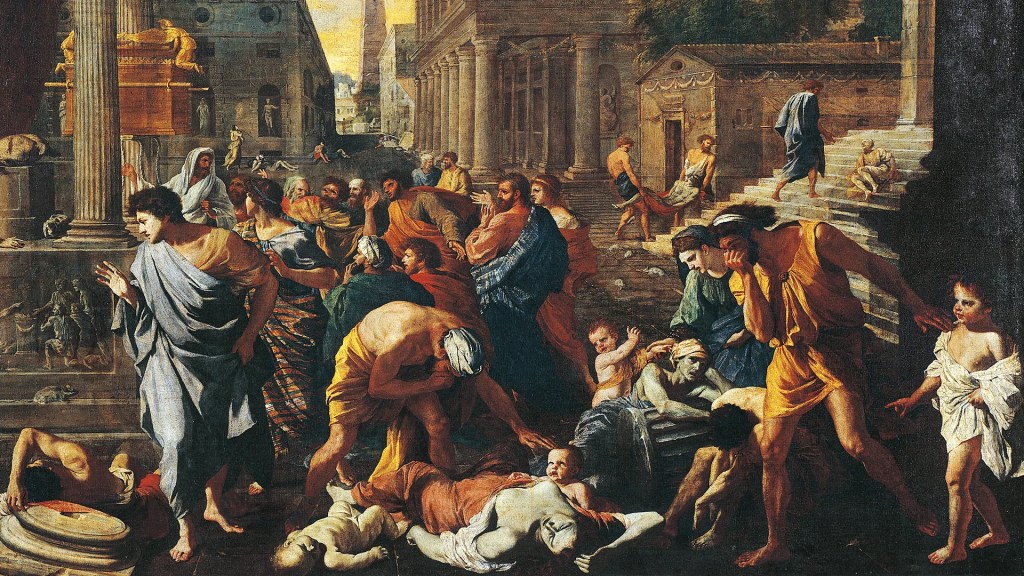
The Plague of Ashdod (1630) Nicholas Poussin

The artwork “The Plague of Ashdod” was created by the French painter Nicolas Poussin in 1630. It portrays the biblical narrative of a divine plague inflicted upon the people of Ashdod. 

This dramatic scene of divine punishment is described in the Old Testament. The Philistines are stricken with plague in their city of Ashdod because they have stolen the Ark of the Covenant from the Israelites and placed it in their pagan temple. You can see the decorated golden casket of the Ark between the pillars of the temple. People look around in horror at their dead and dying companions. One man leans over the corpses of his wife and child and covers his nose to avoid the stench. Rats scurry towards the bodies. The broken statue of their deity, Dagon, and the tumbled down stone column further convey the Philistines’ downfall.

In the artwork, Poussin vividly depicts the turmoil and suffering caused by the plague. The foreground is filled with the stricken inhabitants of Ashdod; their bodies are contorted in agony or limp in the stillness of death, illustrating the mercilessness of the affliction. The variety of postures and expressions captures the range of human suffering and chaos that accompanies such disaster. 

Amongst the afflicted, several figures stand out due to their dynamic gestures or central placement within the composition, drawing the viewer’s eye and emphasizing the emotional impact of the scene. In the background, classical architecture gives a sense of order and permanence that starkly contrasts with the disarray and despair of the figures. Poussin’s use of colour and light skilfully highlights the drama, with the dark and earthy tones of the suffering masses set against the lighter, more serene sky, which suggests divine presence or intervention.

Poussin’s use of color and light skillfully highlights the drama, with the dark and earthy tones of the suffering masses set against the lighter, more serene sky, which suggests divine presence or intervention. The overall effect is one of a carefully structured scene that conveys a narrative full of intensity and profound human drama, characteristic of the religious paintings of the period and the classical style Poussin is renowned for. Poussin began to paint The Plague of Ashdod while the bubonic plague was still raging throughout Italy though sparing Rome. He first called the painting The Miracle in the Temple of Dagon, but later it became known as The Plague of Ashdod.

The painting most importantly provides a view into how illness and diseases were feared at that time in the past and the fact that people had the knowledge that it was transmissible during that time period which was the 16th century.

🥳𝐉𝐮𝐬𝐭 𝐢𝐧𝐬𝐭𝐚𝐥𝐥𝐞𝐝 𝐚 𝐧𝐞𝐰 𝐩𝐥𝐚𝐧 𝐚𝐧𝐝 𝐜𝐡𝐚𝐧𝐠𝐞𝐝 𝐭𝐡𝐞 𝐬𝐢𝐭𝐞 𝐚𝐝𝐝𝐫𝐞𝐬𝐬! 𝐖𝐞’𝐯𝐞 𝐮𝐩𝐠𝐫𝐚𝐝𝐞𝐝 𝐛𝐚𝐛𝐲! 🎉 scrionl.blog ♡
🚨𝐃𝐮𝐞 𝐭𝐨 𝐬𝐨𝐦𝐞 𝐮𝐧𝐟𝐨𝐫𝐞𝐬𝐞𝐞𝐧 𝐜𝐢𝐫𝐜𝐮𝐦𝐬𝐭𝐚𝐧𝐜𝐞 𝐈 𝐰𝐢𝐥𝐥 𝐛𝐞 𝐭𝐚𝐤𝐢𝐧𝐠 𝐚 𝐡𝐢𝐚𝐭𝐮𝐬 𝐟𝐨𝐫 𝐚 𝐩𝐞𝐫𝐢𝐨𝐝 𝐨𝐟 𝐨𝐧𝐞 𝐦𝐨𝐧𝐭𝐡!🚨
𝐖𝐞 𝐧𝐨𝐰 𝐡𝐚𝐯𝐞 𝐚𝐧 𝐈𝐧𝐬𝐭𝐚𝐠𝐫𝐚𝐦 𝐚𝐜𝐜𝐨𝐮𝐧𝐭!📱
𝐀 𝐧𝐞𝐰 𝐬𝐞𝐜𝐭𝐢𝐨𝐧 ‘𝐂𝐨𝐧𝐭𝐚𝐜𝐭’ 𝐡𝐚𝐬 𝐛𝐞𝐞𝐧 𝐚𝐝𝐝𝐞𝐝! 📞

𝐓𝐡𝐞 ‘𝐋𝐢𝐧𝐤𝐬 & 𝐁𝐨𝐨𝐤𝐬 & 𝐘𝐨𝐮𝐓𝐮𝐛𝐞 & 𝐏𝐨𝐝𝐜𝐚𝐬𝐭𝐬’ 𝐬𝐞𝐜𝐭𝐢𝐨𝐧 𝐢𝐬 𝐧𝐨𝐰 𝐚𝐯𝐚𝐢𝐥𝐚𝐛𝐥𝐞!💙
𝐍𝐞𝐰 𝐰𝐚𝐥𝐥𝐩𝐚𝐩𝐞𝐫𝐬 𝐡𝐚𝐯𝐞 𝐛𝐞𝐞𝐧 𝐚𝐝𝐝𝐞𝐝 𝐭𝐨 𝐭𝐡𝐞 ‘𝐄𝐱𝐭𝐫𝐚𝐬’ 𝐬𝐞𝐜𝐭𝐢𝐨𝐧. 𝐃𝐨 𝐜𝐡𝐞𝐜𝐤 𝐢𝐭 𝐨𝐮𝐭!⚡️
𝐀𝐧𝐧𝐨𝐮𝐧𝐜𝐞𝐦𝐞𝐧𝐭: 𝐌𝐨𝐫𝐞 𝐭𝐡𝐚𝐧 𝐚 𝟏𝟎𝟎 𝐭𝐡𝐚𝐧𝐤𝐬! 𝐖𝐞’𝐯𝐞 𝐫𝐞𝐚𝐜𝐡𝐞𝐝 𝟏𝟎𝟎 𝐩𝐨𝐬𝐭𝐬! 🍾 🍷
𝓒𝓮𝓵𝓮𝓫𝓻𝓪𝓽𝓲𝓷𝓰 𝓽𝓱𝓲𝓼 𝓶𝓮𝓭𝓲𝓬𝓪𝓵 𝔀𝓻𝓲𝓽𝓲𝓷𝓰 𝓫𝓵𝓸𝓰’𝓼 1-𝔂𝓮𝓪𝓻 𝓪𝓷𝓷𝓲𝓿𝓮𝓻𝓼𝓪𝓻𝔂!🍾🍷

An Unrestricted Death Toll Rise

Healthcare at a U-turn shift globally.   ✩ Children dying are on the rise in this century according to the Gates Foundation report.    ✩ Progression of foreign aid, vaccines, medicine, nutrition and healthcare have resulted in the decline of child death rates since the 1990s.   ✩ The anti vax movement has gained a…

Preventing Asthma Development in Newborns

“Childhood asthma is a complex disease with many contributing factors,” explains Prof Bart Lambrecht (VIB-UGent Center for Inflammation Research), senior author of the study. “We found that early-life RSV infection and genetic allergy risk interact in a very specific way that pushes the immune system toward asthma. The encouraging news is that this process can…

Cannabis Causes CHS

CHS cannabinoid hyperemesis syndrome has risen in the US emergency departments between 2016 and 2022 and have continued to remain up as discovered by researchers at the Jane Addams College of Social Work at the University Illinois Chicago. Statistics show that as of June 2025 close to half of the US residents residing in the…

How Criticality Made ICUs Spicier…

Preface “That cold Irish evening, through the dark mist of my final Guinness, I started writing this book. It is not a book filled with joy – indeed, there will be sadness – but there is always hope. I will take you on a journey to the light and the dark places that critical ill…

Solving the Clinical Mysteries One More Time!

‘A Case of an Angry-looking Rash’ A woman of fifty-six years visited Dr Walter Larsen in the examination room in Portland Oregon on a Tuesday two days earlier. He was now convinced on inspecting the patient in person that the rash was no longer a case of poison oak. Back then, the patient was concerned;…

The UK’s Public Inquiry on Core Government Involvement in the COVID-19 Responses and Alertness Handling Across the UK

A perfect example of how scientific data and outcomes caused by pure ignorance, dirty politics and unsatisfied vaccine results failed humanity The Rt Hon the Baroness Hallett DBE, addressed the challenge of the COVID-19 Inquiry, by dividing the situationship of each constituent countries in chronological order of events that have unfolded in the chaos and…

  • Introducing Oscillibacter sp. 57_20

    by

    Nivea Vaz
    1–2 minutes

    In studies conducted by PREDICT, there has been evidence showing that 90% of the individuals researched on, indicated the presence of Oscillibacter bacteria a.k.a a ‘good gut bug’. But what exactly is it?


    Oscillibacter belonging to Firmicutes phyla, a novel species of interest by scientists and researchers alike. The Firmicutes society of bacteria have made the human gut their home or biome if you will. Their family extends to over 200 genera. This is inclusive of Lactobacillus, Ruminococcus, and Clostridium.


    Firmicutes has potential, in the sense, it is has a reputation for supporting metabolic health, reducing risk of developing chronic diseases (obesity, heart disease as well as type 2 diabetes!), and supporting the natural immunity as well. Fermentation and creation of the prerequisite bi-products is their specialty. SCFAs, known to us as short chain fatty acids is butyrate, produced by this phyla.


    This butyrate has an essential role in the human gut. It maintains framework of the gut lining, providing the cells with energy, reduces gut inflammation, keeps blood sugar levels at optimum range, propels the immune system function in a good direction and keeps you healthy overall by maintaining your weight in balance. They now have a gaining momentum with their ability to ‘declog’ your arteries.


    You can know more about your weight than ever before with the Firmicutes/Bacteriodetes ratio! How you may ask? It’s simple really, if you’re an obese person the chances are, you’re having an increased ratio of it. If you’re an inflammatory bowel disease person, you’re having a decreased ratio of it.


    If you are looking to enhance your own Firmicutes inside of you, then say no more, you’ve come to the right place! Fish like salmon, mackerel, herring, eggs, avocados, walnuts, almonds, chia seeds, and extra virgin olive oil are all the more, a hearty feeding tool for these microbes!


    Polyphenols can aid us in our quest of balancing the human gut microbiome when it’s needed!


    Nivea Vaz

    Manipal College of Medical Sciences, Pokhara

    Pictorial representation of oscillibacter species.


    Credit: https://layerorigin.com/blogs/blog-layer-origin-nutrition/oscillibacter-sp-57_20-what-is-it-and-why-should-you-care

    Rating: 5 out of 5.

    4,541 hits

    Leave a comment

    𝙷𝚘𝚠 𝚖𝚎𝚍𝚒𝚌𝚒𝚗𝚎 𝚊𝚗𝚍 𝚑𝚎𝚊𝚕𝚝𝚑𝚌𝚊𝚛𝚎 𝚊𝚏𝚏𝚎𝚌𝚝 𝚞𝚜 𝚒𝚗 𝚝𝚑𝚎 𝚜𝚖𝚊𝚕𝚕𝚎𝚜𝚝 𝚘𝚏 𝚠𝚊𝚢𝚜 𝚕𝚎𝚊𝚍𝚒𝚗𝚐 𝚝𝚘 𝚋𝚒𝚐𝚐𝚎𝚛 𝚒𝚖𝚙𝚊𝚌𝚝𝚜 𝚊𝚗𝚍 𝚕𝚒𝚏𝚎-𝚌𝚑𝚊𝚗𝚐𝚒𝚗𝚐 𝚌𝚘𝚗𝚜𝚎𝚚𝚞𝚎𝚗𝚌𝚎𝚜! 𝚄𝚕𝚝𝚒𝚖𝚊𝚝𝚎𝚕𝚢, 𝚌𝚑𝚊𝚗𝚐𝚒𝚗𝚐 𝚠𝚑𝚊𝚝 𝚠𝚎 𝚌𝚊𝚕𝚕 ‘𝚑𝚎𝚊𝚕𝚝𝚑𝚌𝚊𝚛𝚎.’

    “Copyright [2024], [2025], [Scriveners], [Scriveners Online], All Rights Reserved. Any unauthorised duplication or use of this material is strictly prohibited.”

    ‘𝙰 𝚙𝚛𝚘𝚞𝚍 𝚖𝚎𝚍𝚒𝚌𝚊𝚕 𝚜𝚝𝚞𝚍𝚎𝚗𝚝’𝚜 𝚒𝚗𝚒𝚝𝚒𝚊𝚝𝚒𝚟𝚎 𝚊𝚗𝚍 𝚘𝚠𝚗𝚎𝚛𝚜𝚑𝚒𝚙!’‘