






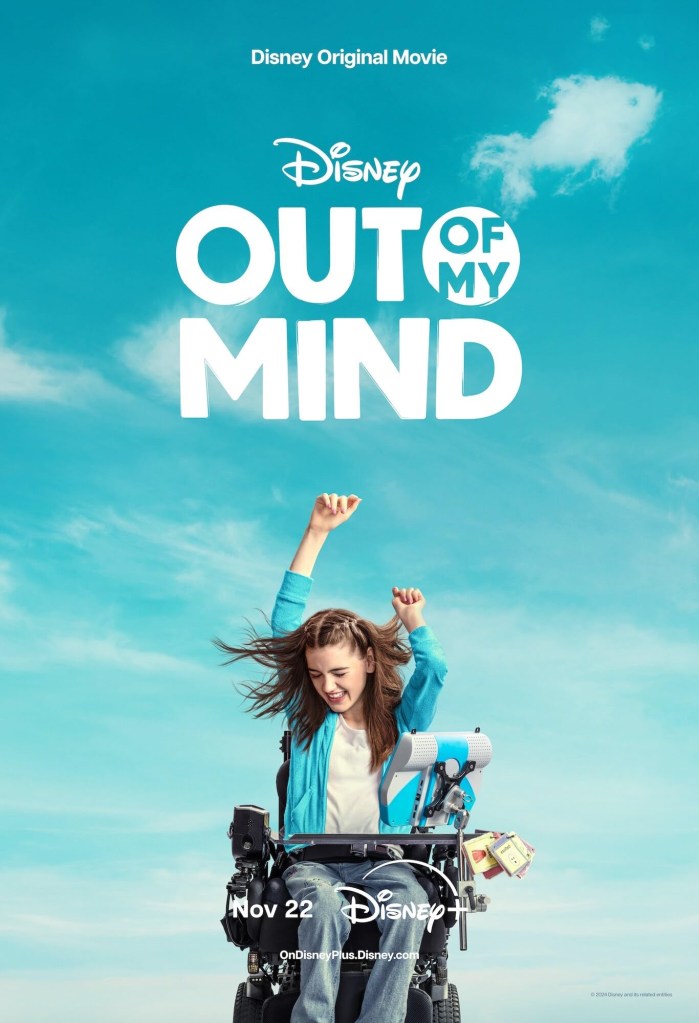
Watching the ‘Out of My Mind’ movie have opened my eyes to how much disorders can have varying degrees of impact on an individual and it can affect them greatly in the field of education when there’s not much to refer to, to understand and to know…
CEREBRAL PALSY is a collection of motor disorders resulting from damage to the brain that occurs before, during, or after birth. The damage to the child’s brain affects the motor system, and as a result the child has poor coordination, poor balance, or abnormal movement patterns— or a combination of these characteristics.
Cerebral palsy (CP) is a static disorder of the brain, not a progressive disorder. This means that the disorder or disease process will not get worse as time goes on. Nor are the motor disorders associated with cerebral palsy temporary. Therefore, a child who has temporary motor problems, or who has motor problems that get worse over time, does not have cerebral palsy.
Children with cerebral palsy may have many other kinds of problems, including medical problems. Most of these problems are related to brain in-jury. They include epilepsy, mental retardation, learning disabilities, and/or attention deficit-hyperactivity disorder.
Congenital cerebral palsy (or cerebral palsy that exists from birth) is responsible for the largest proportion of cases of cerebral palsy. For a small percentage of children, injuries sustained during the birthing process or in early childhood may be considered the cause of cerebral palsy. When motor disorders appear after ages, they are slightly different from the motor disorders of cerebral palsy and are usually diagnosed as they would be in an adult, as stroke or traumatic brain injury.
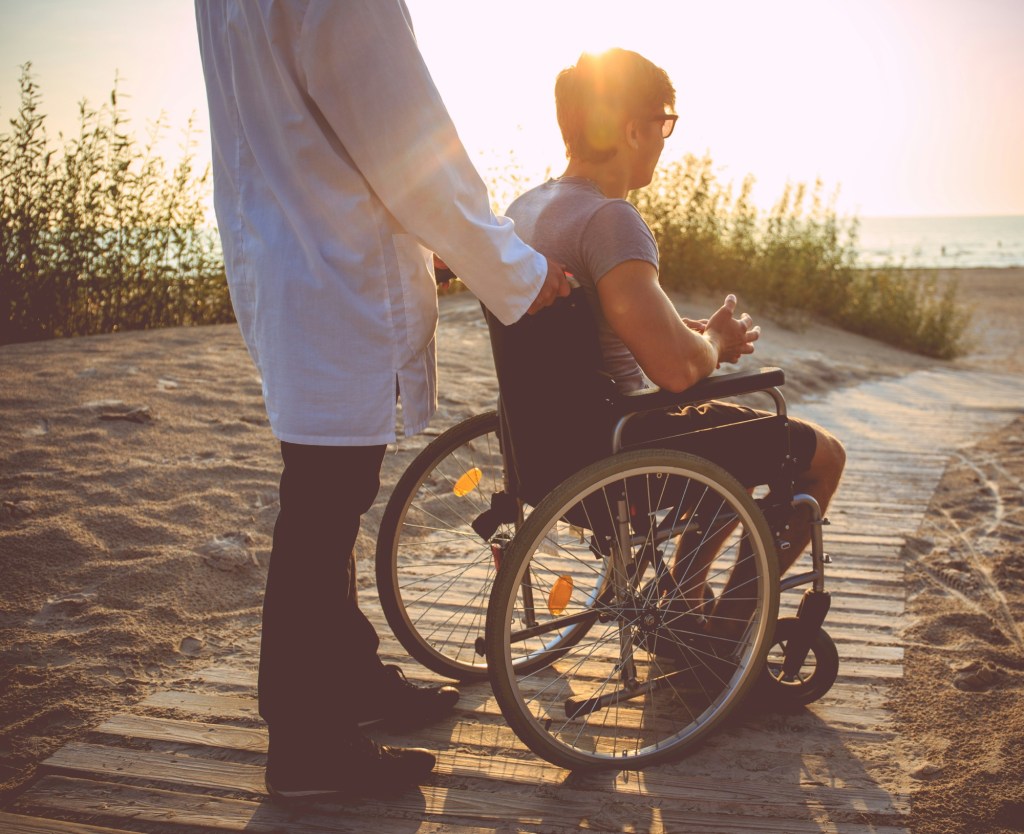
Cerebral palsy is one of the more common congenital problems: of every 2,000 infants born, 5 are born with cerebral palsy. This incidence had remained constant for over 30 years, despite advances in obstetrical and paediatric care, but began to rise slightly in the last years of the twentieth century in the United States and other industrialised countries. Although improvements in medical care have decreased the incidence of CP among some children who otherwise would have developed the disorder, medical advances have also resulted in the survival of children who previously would have died at a young age, and many of these children survive with an impairment or a disability such as cerebral palsy.
To summarise, we can classify different kinds of cerebral palsy according to the type of movement the child makes or to the part of the body that is most involved, or both:
~By type of movement
Spastic-too much muscle tone
Athetoid-no muscle control
Hypotonic-decreased muscle tone (not enough tone)
Ataxic-balance and coordination problems
Mixed-mixture of two or more of the above
~By involved body parts
Hemiplegia-one arm and one leg on the same side of the body
Diplegia-predominantly both legs (arms also involved)
Quadriplegia-all four extremities
What are the right words to use when referring to children with cerebral palsy?
Cerebral palsy is the term used to describe the motor impairment resulting from brain damage in the young child, regardless of the cause of the damage or its effect on the child. Impairment is the correct term to use to define a deviation from normal, such as not being able to make a muscle move or not being able to control an unwanted movement. Disability is the term used to define a restriction in the ability to perform a normal daily activity that someone of the same age is able to perform. (For example, a 3-year-old child who is not able to walk has a disability because normal 3-year-olds can walk independently:) Handicap is the term used to describe the condition of a child or adult who, because of the disability, is unable to achieve a normal role in society appropriate to his or her age and environment.
A 16-year-old who is unable to prepare his own lunch or brush his teeth is handicapped. But a 16-year-old who walks with the assistance of crutches, attends a regular school, and is fully independent in daily activities is disabled, not handicapped. Thus, a person can be impaired and not necessarily be disabled, and a person can be disabled without being handicapped.
Impaired means a deviation from normal
Disabled denotes restricted ability to perform normal activities of daily living; and
Handicapped means being unable to achieve an age-appropriate role in society.
What medical problems will a child encounter?
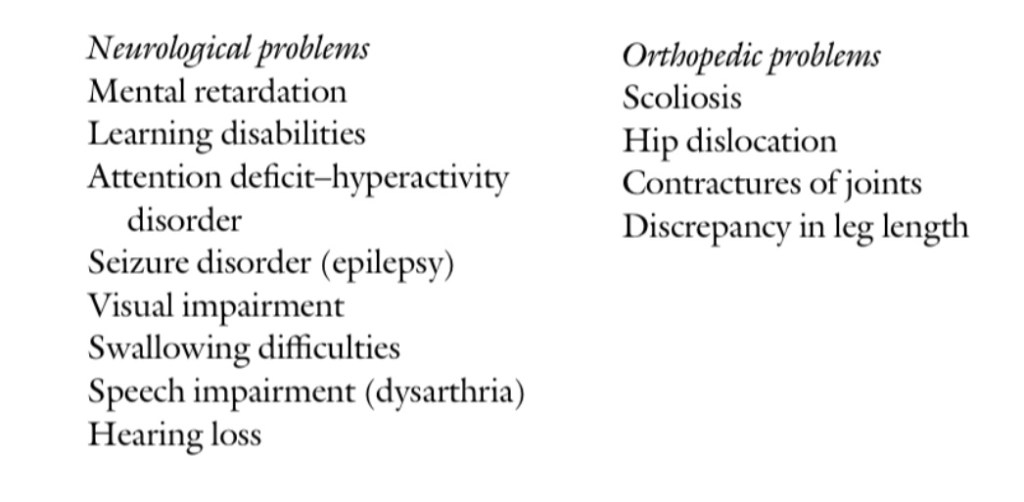
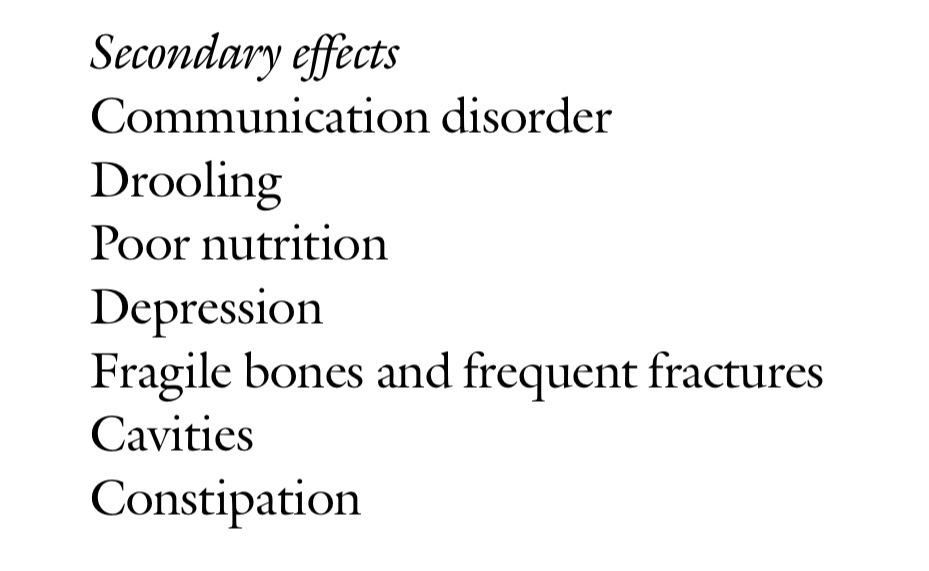
The following list presents the medical problems most often associated with cerebral palsy. These problems (and other, less common problems) are discussed in detail in Chapter 3.
What are some disorders that look like cerebral palsy but are in fact a different problem?
Children with different kinds of disabilities have many problems in com-mon, especially in interacting with family members and society. Although the physical and medical difficulties of children with disabilities vary widely, some of the characteristics of various disorders resemble those of cerebral palsy. It isn’t until after closer examination that the medical issues turn out to be quite distinct.
Children with spinal cord dysfunction, for example, face medical problems such as a lack of feeling in their skin and lack of bowel and bladder control, which differ markedly from the medical problems faced by children with cerebral palsy. Spinal cord dysfunction may be a result of spinal cord in-jury, spina bifida (a defect in the formation of the spinal column), or a congenital spinal cord malformation (a defect in the formation of the spinal cord). Other children who may look similar to children with cerebral palsy are children with temporary motor problems resulting from closed head in-juries, seizures, drug overdoses, or some brain tumours. The medical issues for this group of children are also different from the medical issues for children with cerebral palsy, because these injuries can occur at any age, and the severity of the problems caused by these injuries changes over time.
What circumstances in the birthing process might cause a newborn to have cerebral palsy?
In the nineteenth century, William John Little, MD, described cerebral palsy and stated that in most cases the condition was due to birth injury. Sigmund Freud, MD, who was a prominent neurologist before he entered the field of psychiatry, also investigated the causes of cerebral palsy. Dr. Freud thought that the condition was due to something that occurred before the child’s birth. He argued that the problems seen at birth were often due to an abnormality present in the baby before birth and were not caused by the birthing process. Freud’s view was greatly ignored for nearly one hundred years but recent research has lent support to the idea that cerebral palsy is more often a result of the congenital abnormality than an injury sustained at birth.
The birthing process can be traumatic for an infant, however, and injuries occurring during birth do sometimes cause cerebral palsy. Modern prenatal care and improved obstetrical care have significantly reduced the incidence of birth injury, but it is unlikely that it will ever be completely eliminated.
One large study, for example, indicates that more than 60 percent of all pregnancies have at least one complication, and that most of these complications cause no problems. For in-stance, as percent of all the newborns in the study had the umbilical cord wrapped around their neck, and t6 percent passed meconium (had the first bowel movement) at the time of birth. Fortunately, these common “birth events” and the development of CP have only a small correlation.
On the other hand, newborns in this study who had very low Apgar scores for a prolonged period (less than 3 at 20 minutes) had a risk of developing cerebral palsy that was 250 times greater than infants with normal Ap-gar scores. (An Apgar score is a system for assessing the condition of a newborn baby by scoring respiration effort, heart rate, colour, muscle tone, and motor reactions, usually at 1 and s minutes after birth.) An Apgar score of less than 3 at 20 minutes after birth suggests that the infant suffered severe asphyxia during birth (asphyxia is a lack of sufficient oxygen to the brain). Half of the infants who suffered severe asphyxia during birth did not develop cerebral palsy, however.
How may the development of a child with cerebral palsy differ from this?
Developmental delays are anticipated for the child with CP, and these are perhaps most easily recognised when the child does not reach milestones when expected. The child with cerebral palsy most often does not accomplish gross motor tasks at the same rate as the child without CP, for example.
Differences in the pattern of movement may be seen as well. Due to increased tone, or spasticity, some children with CP may not be able to fully separate the movement of their heads from the movement of the rest of their bodies, making their limbs feel and look stiff when they are rolling, attempting to sit, or trying to walk. The child who is “floppy” or who has low tone may not be able to generate the forces necessary to hold his head up or roll in a smooth pattern. This child may slump when seated or placed to sit and may buckle or collapse at the knees when attempting to stand.
In terms of fine motor skills, small muscles in the hand that are used to manipulate objects are often affected by tone imbalances in children with cerebral palsy. In children with spasticity, or increased tone, impairment may begin at the shoulder, with the inability to extend the arm to reach for an object. The hand itself may be less controlled in fine regulation of movement, making it difficult for the child to reach and grasp. In children with an athetoid component, the “fine tuning” required to coordinate reaching, grasping, and releasing may be missing.
The child with a known or emerging hemiplegic pattern may prefer to use one hand over the other. Parents may think that their child is a “lefty” when in fact the function of the child’s right hand is affected by the cerebral palsy.
Hand preference usually doesn’t emerge until about 18 months, so if your child does not use both hands equally when he or she is younger than 18 months, you should mention this to your child’s doctor.
Language development and problem-solving abilities are not necessarily affected in the young child with cerebral palsy, although language delay and mental retardation do sometimes accompany cerebral palsy. You need to be aware of normal milestones and bring to the doctor’s attention any behaviour that is significantly behind what you perceive to be normal for a child of this age.
Many children with cerebral palsy are active and very social in the first years of life. A child with physical limitations, just like other children, seeks and needs verbal and physical affection in order for his personality and identity to develop. Visually impaired children, for example, often need more touching and verbal feedback than other children, since they can’t rely on their sight to pick up a parent’s soothing expressions.
You may find, however, that your child is less “huggable” and cannot return your embraces, but you shouldn’t necessarily view this as your child’s choice. A very small percentage of children with cerebral palsy exhibit autistic-like tendencies in the first year of life. These children appear to be in a “world of their own,” neither seeking nor returning affection, eye contact, or social contact. This behaviour should be brought to the attention of the child’s physician, and counselling may be initiated to help stimulate the parent-child interaction.
What might cause a child between birth and the age of 2–3 years to develop CP?
During infancy and early childhood, a child is completely dependent on others for his or her safety and protection, and shielding a child from injury is one of the most important responsibilities of a child’s caregivers. An injury like asphyxia damages the brain in a variety of ways, and it is the number one cause of CP in this age group. Asphyxia is most commonly caused by poisoning, near-drowning, and choking on foreign objects such as toys and pieces of food (including peanuts, popcorn, and hot dogs).
The brain may also be damaged when it is physically traumatised as a result of a blow to the head. A child who falls, is involved in a motor vehicle accident, or is the victim of physical abuse may suffer irreparable injury to the brain. One form of child abuse is the shaken baby syndrome, in which the caretaker is trying to quiet the baby by shaking him but shakes him too vigorously, causing the infant’s brain to strike repeatedly against the skull under high pressure. This kind of abuse can damage the brain.
Severe infections, especially meningitis or encephalitis, can also lead to brain damage in this age group. Meningitis is inflammation of the meninges (the covering of the brain and the spinal cord), usually caused by a bacterial infection. Encephalitis is brain inflammation that may be caused by bacterial or viral infections. Either of these infections can cause disabilities ranging from hearing loss to CP and severe retardation.
Of course, one thing to keep in mind is that every child is different and have different superpowers. We never know what and when they can truly expose that potential of theirs. That’s also the message of the movie.
Source:
Out of My Mind
Cerebral Palsy: A Complete Guide for Caregiving
Picture Credit: https://m.imdb.com/title/tt5012320/mediaviewer/rm2400099074/
 Scriveners Online©
Leave a comment