There’s so much of action going on in the UK in terms of politics so much so that I am hooked! It fascinates me and I always see politics and government talk as a depressing subject to begin with!
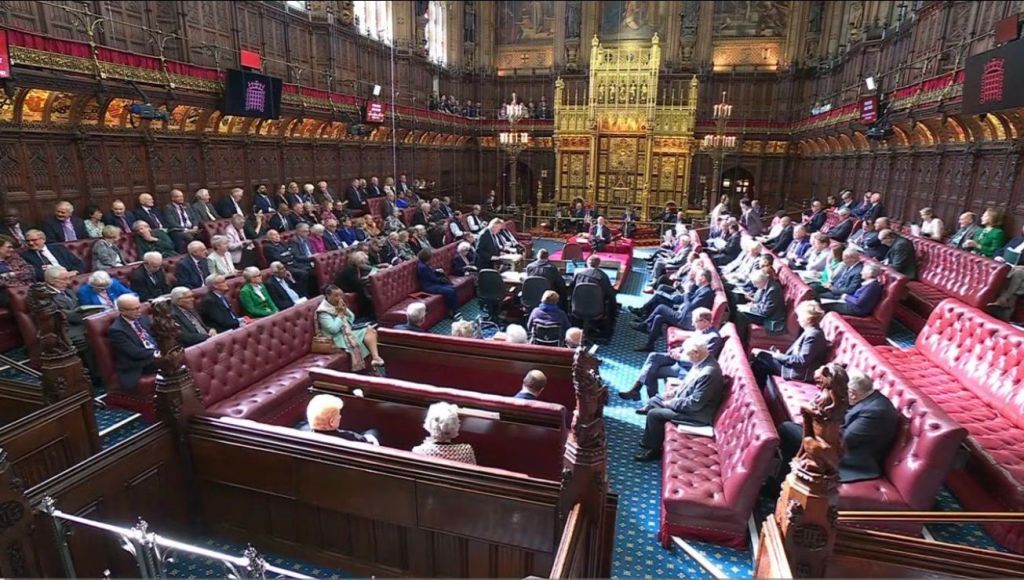
You might have already heard in the news that the assisted dying bill was passed in the House of Commons but was not received with the same perspective in the collective House of Lords! I mean how often do you get to sit, think, and blog about such topics?! *smiley face* It’s a rarity!
The subject matter however is yet to be continued… there is a moral obligation to ensuring that the dead have had their justice delivered and as a doctor to ease the pain of one’s dying! I mean it’s also a matter of life and death for God’s sake!
Ultimately, there’s an argument on both sides as to what’s beneficial-and-safe-and-not-harmful-in-any-way sort of thing! There’s a tied risk to what doctors see as less sabotaging for a patient’s dignified health and what a patient thinks he/she is deserving of. These amendments are scrutinised, debated and assessed over! The House of Lords act as a check on the governmental power exerted by the House of Commons. The Terminally Ill Adults (End of Life) Bill passed the House of Commons on June 20, 2025, with a majority of 23 votes (314 to 291). However, the bill did not become law. It ran out of time in the House of Lords on April 24, 2026, after facing over 1,200 amendments, meaning it has failed for this parliamentary session.
Assisted dying: This generally refers to a terminally ill person receiving lethal drugs from a medical practitioner, which they administer themselves.
Euthanasia: deliberately ending a person’s life to relieve suffering, in which a lethal drug is administered by a physician.
The law proposes letting terminally ill people end their life if they:
- are over 18, live in England or Wales, and registered with a GP for at least a year
- have the mental capacity to make a clear, settled and informed wish, free from coercion or pressure
- are expected to die within six months
- make two separate, witnessed and signed declarations
- satisfy two doctors they are eligible – with at least seven days between each assessment
Once an application has been approved, the patient would have a 14-day reflection period before submitting a second declaration that they wished to proceed.
A doctor would prepare the substance being used to end the patient’s life, but the person would take it themselves.
The bill defines the co-ordinating doctor as a registered medical practitioner with the right level of “training, qualifications and experience”.
It does not say which drug would be used.
Resources;
https://consoc.org.uk/the-assisted-dying-bill/
https://www.hansardsociety.org.uk/blog/assisted-dying-bill-lords-amendments-parliamentary-record
https://www.parliament.uk/site-information/glossary/amendments/
https://www.parliament.uk/globalassets/documents/commons-information-office/leaflets/how_the_uk_parliament_works_june22.pdf
https://www.youtube.com/live/mK4NNUMCMEg?si=sZDQBtbEypBk435Q
 Scriveners Online©