
❝Never do anything by halves if you want to get away with it. Be outrageous. Go the whole hog. Make sure everything you do is so completely crazy it’s unbelievable.❞
-Roald Dahl, Matilda (1988)

A ‘med comms’ site for everyone!

✒︎ Informative

Presenting the latest news, discoveries and innovations in medicine in a blog-style format!

⚕ Global

Reaches the national and the international readers!

♛ Unique & Dynamic

There’s an article for everyone in all areas of medicine!

#scriveners

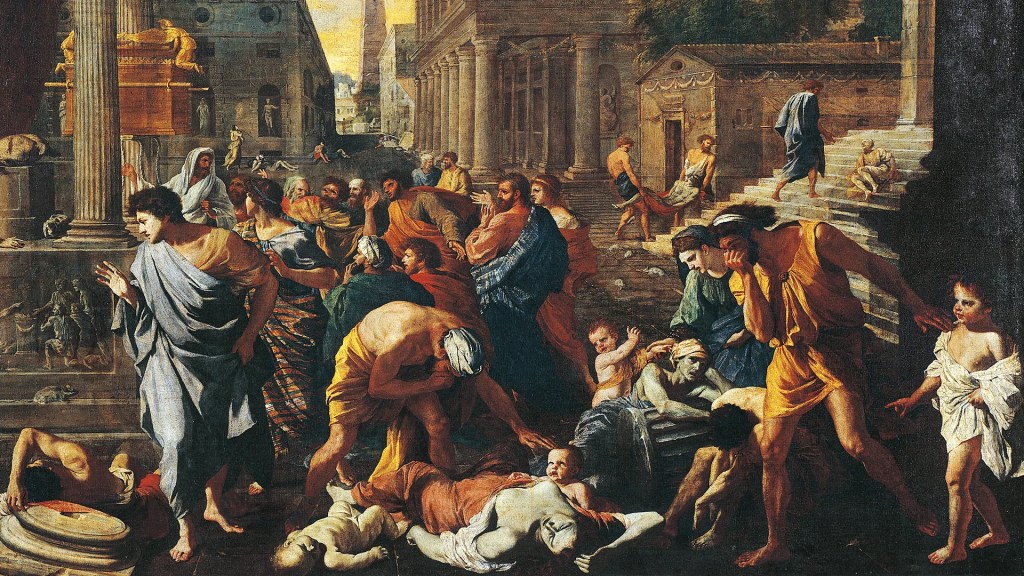
The Plague of Ashdod (1630) Nicholas Poussin

The artwork “The Plague of Ashdod” was created by the French painter Nicolas Poussin in 1630. It portrays the biblical narrative of a divine plague inflicted upon the people of Ashdod. 

This dramatic scene of divine punishment is described in the Old Testament. The Philistines are stricken with plague in their city of Ashdod because they have stolen the Ark of the Covenant from the Israelites and placed it in their pagan temple. You can see the decorated golden casket of the Ark between the pillars of the temple. People look around in horror at their dead and dying companions. One man leans over the corpses of his wife and child and covers his nose to avoid the stench. Rats scurry towards the bodies. The broken statue of their deity, Dagon, and the tumbled down stone column further convey the Philistines’ downfall.

In the artwork, Poussin vividly depicts the turmoil and suffering caused by the plague. The foreground is filled with the stricken inhabitants of Ashdod; their bodies are contorted in agony or limp in the stillness of death, illustrating the mercilessness of the affliction. The variety of postures and expressions captures the range of human suffering and chaos that accompanies such disaster. 

Amongst the afflicted, several figures stand out due to their dynamic gestures or central placement within the composition, drawing the viewer’s eye and emphasizing the emotional impact of the scene. In the background, classical architecture gives a sense of order and permanence that starkly contrasts with the disarray and despair of the figures. Poussin’s use of colour and light skilfully highlights the drama, with the dark and earthy tones of the suffering masses set against the lighter, more serene sky, which suggests divine presence or intervention.

Poussin’s use of color and light skillfully highlights the drama, with the dark and earthy tones of the suffering masses set against the lighter, more serene sky, which suggests divine presence or intervention. The overall effect is one of a carefully structured scene that conveys a narrative full of intensity and profound human drama, characteristic of the religious paintings of the period and the classical style Poussin is renowned for. Poussin began to paint The Plague of Ashdod while the bubonic plague was still raging throughout Italy though sparing Rome. He first called the painting The Miracle in the Temple of Dagon, but later it became known as The Plague of Ashdod.

The painting most importantly provides a view into how illness and diseases were feared at that time in the past and the fact that people had the knowledge that it was transmissible during that time period which was the 16th century.

𝓒𝓱𝓮𝓮𝓻𝓼 𝓽𝓸 𝓪 2𝓷𝓭 𝓪𝓷𝓷𝓲𝓿𝓮𝓻𝓼𝓪𝓻𝔂 𝓸𝓯 𝓽𝓱𝓮 𝓫𝓵𝓸𝓰! 🍾🥂
𝐀𝐧𝐧𝐨𝐮𝐧𝐜𝐞𝐦𝐞𝐧𝐭: 𝐂𝐞𝐥𝐞𝐛𝐫𝐚𝐭𝐢𝐧𝐠 𝟐𝟎𝟎 𝐩𝐨𝐬𝐭𝐬 𝐦𝐢𝐥𝐞𝐬𝐭𝐨𝐧𝐞 𝐫𝐞𝐚𝐜𝐡! 𝐈 𝐜𝐚𝐧’𝐭 𝐭𝐡𝐚𝐧𝐤 𝐞𝐚𝐜𝐡 𝐨𝐧𝐞 𝐨𝐟 𝐲𝐨𝐮 𝐞𝐧𝐨𝐮𝐠𝐡! 𝐖𝐞’𝐫𝐞 𝐚𝐭 𝐚 𝟓𝐤 𝐬𝐭𝐫𝐞𝐚𝐤 𝐚𝐬 𝐰𝐞𝐥𝐥! ♥️🍾🍷#scriveners
𝘗𝘭𝘦𝘢𝘴𝘦 𝘤𝘩𝘦𝘤𝘬 𝘰𝘶𝘵 𝘰𝘶𝘳 𝘯𝘦𝘸𝘭𝘺 𝘶𝘱𝘥𝘢𝘵𝘦𝘥 ‘𝘌𝘹𝘵𝘳𝘢𝘴 𝘗𝘢𝘨𝘦’!╰(°▽°)╯
𝕸𝖊𝖗𝖗𝖞 𝕮𝖍𝖗𝖎𝖘𝖙𝖒𝖆𝖘!🎄🎅𝕸𝖆𝖞 𝖆𝖑𝖑 𝖞𝖔𝖚𝖗 𝕮𝖍𝖗𝖎𝖘𝖙𝖒𝖆𝖘 𝖜𝖎𝖘𝖍𝖊𝖘 𝖈𝖔𝖒𝖊 𝖙𝖗𝖚𝖊!

🥳𝐉𝐮𝐬𝐭 𝐢𝐧𝐬𝐭𝐚𝐥𝐥𝐞𝐝 𝐚 𝐧𝐞𝐰 𝐩𝐥𝐚𝐧 𝐚𝐧𝐝 𝐜𝐡𝐚𝐧𝐠𝐞𝐝 𝐭𝐡𝐞 𝐬𝐢𝐭𝐞 𝐚𝐝𝐝𝐫𝐞𝐬𝐬! 𝐖𝐞’𝐯𝐞 𝐮𝐩𝐠𝐫𝐚𝐝𝐞𝐝 𝐛𝐚𝐛𝐲! 🎉 scrionl.blog ♡
🚨𝐃𝐮𝐞 𝐭𝐨 𝐬𝐨𝐦𝐞 𝐮𝐧𝐟𝐨𝐫𝐞𝐬𝐞𝐞𝐧 𝐜𝐢𝐫𝐜𝐮𝐦𝐬𝐭𝐚𝐧𝐜𝐞 𝐈 𝐰𝐢𝐥𝐥 𝐛𝐞 𝐭𝐚𝐤𝐢𝐧𝐠 𝐚 𝐡𝐢𝐚𝐭𝐮𝐬 𝐟𝐨𝐫 𝐚 𝐩𝐞𝐫𝐢𝐨𝐝 𝐨𝐟 𝐨𝐧𝐞 𝐦𝐨𝐧𝐭𝐡!🚨
𝐖𝐞 𝐧𝐨𝐰 𝐡𝐚𝐯𝐞 𝐚𝐧 𝐈𝐧𝐬𝐭𝐚𝐠𝐫𝐚𝐦 𝐚𝐜𝐜𝐨𝐮𝐧𝐭!📱
𝐀 𝐧𝐞𝐰 𝐬𝐞𝐜𝐭𝐢𝐨𝐧 ‘𝐂𝐨𝐧𝐭𝐚𝐜𝐭’ 𝐡𝐚𝐬 𝐛𝐞𝐞𝐧 𝐚𝐝𝐝𝐞𝐝! 📞

𝐓𝐡𝐞 ‘𝐋𝐢𝐧𝐤𝐬 & 𝐁𝐨𝐨𝐤𝐬 & 𝐘𝐨𝐮𝐓𝐮𝐛𝐞 & 𝐏𝐨𝐝𝐜𝐚𝐬𝐭𝐬’ 𝐬𝐞𝐜𝐭𝐢𝐨𝐧 𝐢𝐬 𝐧𝐨𝐰 𝐚𝐯𝐚𝐢𝐥𝐚𝐛𝐥𝐞!💙
𝐍𝐞𝐰 𝐰𝐚𝐥𝐥𝐩𝐚𝐩𝐞𝐫𝐬 𝐡𝐚𝐯𝐞 𝐛𝐞𝐞𝐧 𝐚𝐝𝐝𝐞𝐝 𝐭𝐨 𝐭𝐡𝐞 ‘𝐄𝐱𝐭𝐫𝐚𝐬’ 𝐬𝐞𝐜𝐭𝐢𝐨𝐧. 𝐃𝐨 𝐜𝐡𝐞𝐜𝐤 𝐢𝐭 𝐨𝐮𝐭!⚡️
𝐀𝐧𝐧𝐨𝐮𝐧𝐜𝐞𝐦𝐞𝐧𝐭: 𝐌𝐨𝐫𝐞 𝐭𝐡𝐚𝐧 𝐚 𝟏𝟎𝟎 𝐭𝐡𝐚𝐧𝐤𝐬! 𝐖𝐞’𝐯𝐞 𝐫𝐞𝐚𝐜𝐡𝐞𝐝 𝟏𝟎𝟎 𝐩𝐨𝐬𝐭𝐬! 🍾 🍷
𝓒𝓮𝓵𝓮𝓫𝓻𝓪𝓽𝓲𝓷𝓰 𝓽𝓱𝓲𝓼 𝓶𝓮𝓭𝓲𝓬𝓪𝓵 𝔀𝓻𝓲𝓽𝓲𝓷𝓰 𝓫𝓵𝓸𝓰’𝓼 1-𝔂𝓮𝓪𝓻 𝓪𝓷𝓷𝓲𝓿𝓮𝓻𝓼𝓪𝓻𝔂!🍾🍷

Adding a New Rule to the NHS Act 2006

Scrapping the legal guarantee that a nurse sits on every foundation trust board is a “brazen attack on patient safety”, the Royal College of Nursing has warned. The Health Bill, published this month, would remove the requirement in primary legislation for foundation trust boards to include a registered nurse or midwife and a registered medical…

An Exciting Reversal of Spinal Cord Damage

Is there a way to reverse the declining axon elongation? Scientists at Cambridge have proved otherwise. The three-dimensional patient-specific induced pluripotent stem cell (iPSC)-derived organoids emerge as vital discovery models shedding light on human aspects of neural physiology and disease. They generated and validated a human corticospinal connectoid system, comprising regionally segregated air-liquid interface cortical…

Lack of Skilled Healthcare Professionals in Rural India

There is a shortage of SHPs (skilled health professionals) in India. Limited research has been conducted to emphasise on this shortage. Beyond availability, the contrasting distribution of SHPs across public vs private healthcare sectors and rural vs urban regions is a concerning find. Over 80% of doctors and 70% of nurses work in the private…

Striving to Improve the National Health Insurance Program in Nepal

Nepal’s national health insurance program (NHIP) initiative, was launched in 2016, to attain universal health coverage (UHC). There are obstacles towards achieving this coverage across the Nepali population. Although it has made remarkable progress, there are significant problems causing poor enrollment, retention, and challenges while accessing quality healthcare. The social health insurance scheme aims to…

An Ebola Outbreak Crises

The newly declared outbreak of Ebola virus disease caused by Bundibugyo virus in DR Congo and Uganda once again exposes the fragility of epidemic preparedness across sub-Saharan Africa.1 As of May 15, 2026, a total of 246 suspected cases and 80 deaths (including four deaths among confirmed cases) had been reported in Ituri, DR Congo,…

For Every Under-represented Māori

Suicide is the leading cause of death in New Zealanders aged 15–19 years. Advocates are calling for better approaches to prevention and support. Sophie Cousins, Clive Aspin, and Suzy Taylor report. Nicky Stevens was just 21 years of age when he died by suicide as a mental health inpatient at a hospital in the North…

  • Xenotransplantation and its Future in Medicine

    by

    Nivea Vaz
    2–3 minutes

    Four days ago, BBC reports that “Man ‘recovering well’ after pig kidney transplant.” There has been a dying entry when it comes to the organ donation platform. Some have debated using alternatives such as 3D printing, others say that animal organ transplant can do a much better job. Here, I present to you the case of Mr Richard Slayman. He had a failed dialysis. Before that he had the added pressures of keeping up with repeated hospital visits every two weeks for de-clotting and surgical revisions. This puts a guaranteed strain on his quality of health.


    This is where xenotransplantation comes into play. The tackle plan on aiding patients with chronic diseases and end-stage organ failure as well. The World Health Organisation (WHO) defines xenotransplantation as “any procedure that involves the transplantation, implantation or infusion into a human recipient of either: (i) live cells, tissues, or organs from a non-human animal source; or (ii) human body fluids, cells, tissues or organs that have had ex vivo contact with live non-human animal cells, tissues or organs.” In 1667, the idea of xenotransfusion of blood from lambs to humans came to existence. Transplantation of a rabbit kidney to human has been documented in 1905.


    Non-human primates abbreviated as NHPs are an extremely valuable commodity in translational research. We no longer now require waiting lists for transplantation surgery! They are selected based on their primal bonds on the animal hierarchy tree. The one where we distinguish species and genus and assort them into familial origins. Proper husbandry of NHPs is a major investment to maintain animal health, reduction of  its stress, longevity of these foreign organs in human body. These three factors determine where it can be made readily available for organ donation and transplantation.


    We also need to take into account the chronic or latent infections that the chosen species can succumb to. In order for the recipient’s body to accept the sacrifice, a powerful immunosuppressive therapy needs to administered. Three types of rejections are known to occur successively in a universal pattern; hyper-acute xenograft rejection, acute humoral xenograft rejection, and lastly acute cellular rejection. The world’s first porcine-to-human transplantation was performed at the University of Maryland School of Medicine (Baltimore, MD, USA), where a genetically modified pig heart was successfully transplanted into a 57-year-old man in the end stage of heart disease. After highly experimental surgery, the patient was able to move about freely in the absence of cardiopulmonary bypass assistance.


    Gene manipulation is highly crucial in reducing human immune rejection response. Another method is immune cloaking-regulation of cell-surface molecules expression from host species in donor cells. Proceeding with the case, eGenesis motivated this surgery forwards by being the sole provider of a genetically edited and modified special pig kidney. Slayman is still on his immunosuppressive class of drugs and it is still unclear as to what direction the science of medicine will take him. The slow and steady pace is mighty yet challenging!

    Nivea Vaz

    Manipal College of Medical Sciences, Pokhara

    (1st submission to IFMSA-SCOME)

    Genetically modified pig cells for xenotransplantation.


    Rating: 5 out of 5.

    5,410 hits

    Leave a comment

    𝙷𝚘𝚠 𝚖𝚎𝚍𝚒𝚌𝚒𝚗𝚎 𝚊𝚗𝚍 𝚑𝚎𝚊𝚕𝚝𝚑𝚌𝚊𝚛𝚎 𝚊𝚏𝚏𝚎𝚌𝚝 𝚞𝚜 𝚒𝚗 𝚝𝚑𝚎 𝚜𝚖𝚊𝚕𝚕𝚎𝚜𝚝 𝚘𝚏 𝚠𝚊𝚢𝚜 𝚕𝚎𝚊𝚍𝚒𝚗𝚐 𝚝𝚘 𝚋𝚒𝚐𝚐𝚎𝚛 𝚒𝚖𝚙𝚊𝚌𝚝𝚜 𝚊𝚗𝚍 𝚕𝚒𝚏𝚎-𝚌𝚑𝚊𝚗𝚐𝚒𝚗𝚐 𝚌𝚘𝚗𝚜𝚎𝚚𝚞𝚎𝚗𝚌𝚎𝚜! 𝚄𝚕𝚝𝚒𝚖𝚊𝚝𝚎𝚕𝚢, 𝚌𝚑𝚊𝚗𝚐𝚒𝚗𝚐 𝚠𝚑𝚊𝚝 𝚠𝚎 𝚌𝚊𝚕𝚕 ‘𝚑𝚎𝚊𝚕𝚝𝚑𝚌𝚊𝚛𝚎.’

    “Copyright [2024], [2025], [2026], [Scriveners], [Scriveners Online], All Rights Reserved. Any unauthorised duplication or use of this material is strictly prohibited.”

    ‘𝙰 𝚙𝚛𝚘𝚞𝚍 𝚖𝚎𝚍𝚒𝚌𝚊𝚕 𝚜𝚝𝚞𝚍𝚎𝚗𝚝’𝚜 𝚒𝚗𝚒𝚝𝚒𝚊𝚝𝚒𝚟𝚎 𝚊𝚗𝚍 𝚘𝚠𝚗𝚎𝚛𝚜𝚑𝚒𝚙!’‘