❝Never do anything by halves if you want to get away with it. Be outrageous. Go the whole hog. Make sure everything you do is so completely crazy it’s unbelievable.❞
-Roald Dahl, Matilda (1988)

A ‘med comms’ site for everyone!

✒︎ Informative

Presenting the latest news, discoveries and innovations in medicine in a blog-style format!

⚕ Global

Reaches the national and the international readers!

♛ Unique & Dynamic

There’s an article for everyone in all areas of medicine!

#scriveners

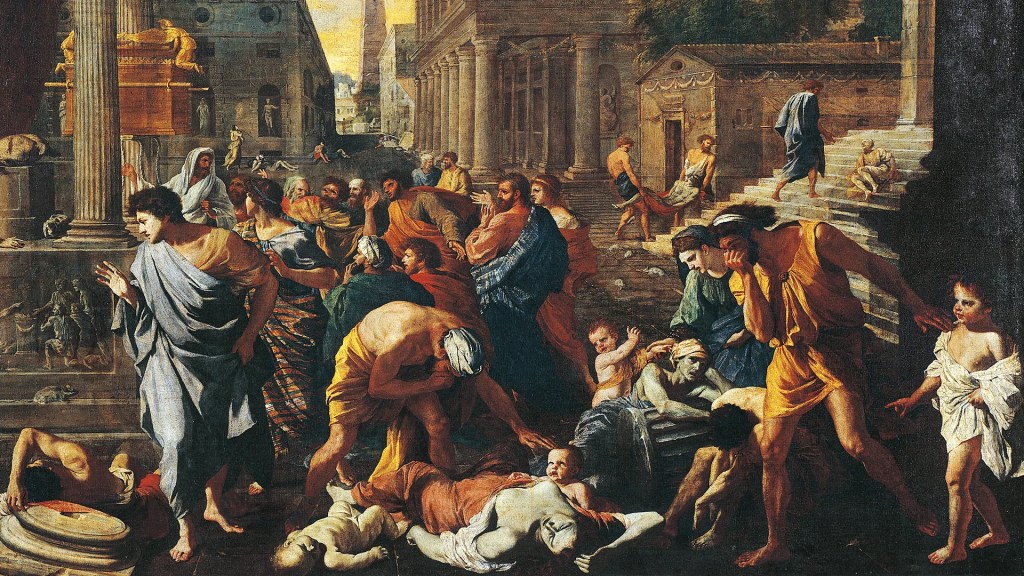
The Plague of Ashdod (1630) Nicholas Poussin

The artwork “The Plague of Ashdod” was created by the French painter Nicolas Poussin in 1630. It portrays the biblical narrative of a divine plague inflicted upon the people of Ashdod. 

This dramatic scene of divine punishment is described in the Old Testament. The Philistines are stricken with plague in their city of Ashdod because they have stolen the Ark of the Covenant from the Israelites and placed it in their pagan temple. You can see the decorated golden casket of the Ark between the pillars of the temple. People look around in horror at their dead and dying companions. One man leans over the corpses of his wife and child and covers his nose to avoid the stench. Rats scurry towards the bodies. The broken statue of their deity, Dagon, and the tumbled down stone column further convey the Philistines’ downfall.

In the artwork, Poussin vividly depicts the turmoil and suffering caused by the plague. The foreground is filled with the stricken inhabitants of Ashdod; their bodies are contorted in agony or limp in the stillness of death, illustrating the mercilessness of the affliction. The variety of postures and expressions captures the range of human suffering and chaos that accompanies such disaster. 

Amongst the afflicted, several figures stand out due to their dynamic gestures or central placement within the composition, drawing the viewer’s eye and emphasizing the emotional impact of the scene. In the background, classical architecture gives a sense of order and permanence that starkly contrasts with the disarray and despair of the figures. Poussin’s use of colour and light skilfully highlights the drama, with the dark and earthy tones of the suffering masses set against the lighter, more serene sky, which suggests divine presence or intervention.

Poussin’s use of color and light skillfully highlights the drama, with the dark and earthy tones of the suffering masses set against the lighter, more serene sky, which suggests divine presence or intervention. The overall effect is one of a carefully structured scene that conveys a narrative full of intensity and profound human drama, characteristic of the religious paintings of the period and the classical style Poussin is renowned for. Poussin began to paint The Plague of Ashdod while the bubonic plague was still raging throughout Italy though sparing Rome. He first called the painting The Miracle in the Temple of Dagon, but later it became known as The Plague of Ashdod.

The painting most importantly provides a view into how illness and diseases were feared at that time in the past and the fact that people had the knowledge that it was transmissible during that time period which was the 16th century.

🥳𝐉𝐮𝐬𝐭 𝐢𝐧𝐬𝐭𝐚𝐥𝐥𝐞𝐝 𝐚 𝐧𝐞𝐰 𝐩𝐥𝐚𝐧 𝐚𝐧𝐝 𝐜𝐡𝐚𝐧𝐠𝐞𝐝 𝐭𝐡𝐞 𝐬𝐢𝐭𝐞 𝐚𝐝𝐝𝐫𝐞𝐬𝐬! 𝐖𝐞’𝐯𝐞 𝐮𝐩𝐠𝐫𝐚𝐝𝐞𝐝 𝐛𝐚𝐛𝐲! 🎉 scrionl.blog ♡
🚨𝐃𝐮𝐞 𝐭𝐨 𝐬𝐨𝐦𝐞 𝐮𝐧𝐟𝐨𝐫𝐞𝐬𝐞𝐞𝐧 𝐜𝐢𝐫𝐜𝐮𝐦𝐬𝐭𝐚𝐧𝐜𝐞 𝐈 𝐰𝐢𝐥𝐥 𝐛𝐞 𝐭𝐚𝐤𝐢𝐧𝐠 𝐚 𝐡𝐢𝐚𝐭𝐮𝐬 𝐟𝐨𝐫 𝐚 𝐩𝐞𝐫𝐢𝐨𝐝 𝐨𝐟 𝐨𝐧𝐞 𝐦𝐨𝐧𝐭𝐡!🚨
𝐖𝐞 𝐧𝐨𝐰 𝐡𝐚𝐯𝐞 𝐚𝐧 𝐈𝐧𝐬𝐭𝐚𝐠𝐫𝐚𝐦 𝐚𝐜𝐜𝐨𝐮𝐧𝐭!📱
𝐀 𝐧𝐞𝐰 𝐬𝐞𝐜𝐭𝐢𝐨𝐧 ‘𝐂𝐨𝐧𝐭𝐚𝐜𝐭’ 𝐡𝐚𝐬 𝐛𝐞𝐞𝐧 𝐚𝐝𝐝𝐞𝐝! 📞

𝐓𝐡𝐞 ‘𝐋𝐢𝐧𝐤𝐬 & 𝐁𝐨𝐨𝐤𝐬 & 𝐘𝐨𝐮𝐓𝐮𝐛𝐞 & 𝐏𝐨𝐝𝐜𝐚𝐬𝐭𝐬’ 𝐬𝐞𝐜𝐭𝐢𝐨𝐧 𝐢𝐬 𝐧𝐨𝐰 𝐚𝐯𝐚𝐢𝐥𝐚𝐛𝐥𝐞!💙
𝐍𝐞𝐰 𝐰𝐚𝐥𝐥𝐩𝐚𝐩𝐞𝐫𝐬 𝐡𝐚𝐯𝐞 𝐛𝐞𝐞𝐧 𝐚𝐝𝐝𝐞𝐝 𝐭𝐨 𝐭𝐡𝐞 ‘𝐄𝐱𝐭𝐫𝐚𝐬’ 𝐬𝐞𝐜𝐭𝐢𝐨𝐧. 𝐃𝐨 𝐜𝐡𝐞𝐜𝐤 𝐢𝐭 𝐨𝐮𝐭!⚡️
𝐀𝐧𝐧𝐨𝐮𝐧𝐜𝐞𝐦𝐞𝐧𝐭: 𝐌𝐨𝐫𝐞 𝐭𝐡𝐚𝐧 𝐚 𝟏𝟎𝟎 𝐭𝐡𝐚𝐧𝐤𝐬! 𝐖𝐞’𝐯𝐞 𝐫𝐞𝐚𝐜𝐡𝐞𝐝 𝟏𝟎𝟎 𝐩𝐨𝐬𝐭𝐬! 🍾 🍷
𝓒𝓮𝓵𝓮𝓫𝓻𝓪𝓽𝓲𝓷𝓰 𝓽𝓱𝓲𝓼 𝓶𝓮𝓭𝓲𝓬𝓪𝓵 𝔀𝓻𝓲𝓽𝓲𝓷𝓰 𝓫𝓵𝓸𝓰’𝓼 1-𝔂𝓮𝓪𝓻 𝓪𝓷𝓷𝓲𝓿𝓮𝓻𝓼𝓪𝓻𝔂!🍾🍷

An Unrestricted Death Toll Rise

Healthcare at a U-turn shift globally.   ✩ Children dying are on the rise in this century according to the Gates Foundation report.    ✩ Progression of foreign aid, vaccines, medicine, nutrition and healthcare have resulted in the decline of child death rates since the 1990s.   ✩ The anti vax movement has gained a…

Preventing Asthma Development in Newborns

“Childhood asthma is a complex disease with many contributing factors,” explains Prof Bart Lambrecht (VIB-UGent Center for Inflammation Research), senior author of the study. “We found that early-life RSV infection and genetic allergy risk interact in a very specific way that pushes the immune system toward asthma. The encouraging news is that this process can…

Cannabis Causes CHS

CHS cannabinoid hyperemesis syndrome has risen in the US emergency departments between 2016 and 2022 and have continued to remain up as discovered by researchers at the Jane Addams College of Social Work at the University Illinois Chicago. Statistics show that as of June 2025 close to half of the US residents residing in the…

How Criticality Made ICUs Spicier…

Preface “That cold Irish evening, through the dark mist of my final Guinness, I started writing this book. It is not a book filled with joy – indeed, there will be sadness – but there is always hope. I will take you on a journey to the light and the dark places that critical ill…

Solving the Clinical Mysteries One More Time!

‘A Case of an Angry-looking Rash’ A woman of fifty-six years visited Dr Walter Larsen in the examination room in Portland Oregon on a Tuesday two days earlier. He was now convinced on inspecting the patient in person that the rash was no longer a case of poison oak. Back then, the patient was concerned;…

The UK’s Public Inquiry on Core Government Involvement in the COVID-19 Responses and Alertness Handling Across the UK

A perfect example of how scientific data and outcomes caused by pure ignorance, dirty politics and unsatisfied vaccine results failed humanity The Rt Hon the Baroness Hallett DBE, addressed the challenge of the COVID-19 Inquiry, by dividing the situationship of each constituent countries in chronological order of events that have unfolded in the chaos and…

  • How Criticality Made ICUs Spicier…

    by

    Nivea Vaz ,
    8–12 minutes

    Preface

    “That cold Irish evening, through the dark mist of my final Guinness, I started writing this book. It is not a book filled with joy – indeed, there will be sadness – but there is always hope. I will take you on a journey to the light and the dark places that critical ill patients visit. Even in death, glimmers of the future can reflect in the smallest of spaces. I will borrow the bodies, the lives and the families of real patients I have met, and I will use them to shed light into these deep cracks where life meets death…”

    “We will experience the inner workings of the physical ICUs well as my mind as a doctor working within it. You will experience the sounds, smells, and sights of the most dramatic area of the hospital. We will travel through the main organ systems of the human body, find out how we can keep people alive without a pulse, and what happens when a patient becomes brainstem dead. I will share with you the highs and the lows that patients, families and healthcare staff witness through the course of fighting human fragility. While the lows can be dark, I am privileged to support patients and their families while they stand at the brink of their existences. Through this lens, I am reminded daily of the beauty of life…”

    Extracts and Excerpts from the Preface, quote Dr Matt Morgan, January 2019

    #book reads

    Welcome to the World of Intensive Care Medicine

    It was a beautiful and sunny August evening in Copenhagen as Vivi danced in her garden after returning home from school. She was a happy twelve-year-old girl, with sandy-golden hair and apple-red cheeks. Life was tough since her parents had separated; her mom struggled to make ends meet working as a hatmaker. She watched her daughter through the window, dancing barefoot on the grass as she giggled and smiled to herself. Forty-eight hours later, Vivi was about to die. This is the story of the people, practices and technology which allowed her instead to live. Her journey was the first step along a sixty-five-year-long journey that now enables us to enjoy life in the face of devastating critical illness. This is the story of how intensive care can save your life. Vivi didn’t notice the moment earlier that day when a water droplet landed on her hand. Nor did she know that a million copies of the deadly poliomyelitis virus were in that water droplet as she rubbed her eyes at night. As her mother’s lullaby sent her to sleep, the virus started its work. It travelled from her hands to the cells in her mouth, before passing through the cell membranes.

    Vivi Ebert

    As the sun went down, the virus infected her tonsils, the lymph nodes in her neck and finally her intestines. By the morning Vivi had a head ache which stopped her from dancing. Her mom’s cool hand felt Vivi’s hot head and rubbed her stiff neck. The next day Vivi struggled to fasten buttons on her summer dress. Her fingers moved clumsily at the end of two heavy, weak arms. After being taken to the local Blegdam Hospital, she stopped responding to her name, as breathing became rapid and shallow. Soon Vivi met the man who would save her life. He was the world’s first intensive care doctor, Dr Bjorn Ibsen.

    Dr Ibsen was a 36-year-old anaesthetist when he met Vivi. It was clear to him that she was suffering from acute severe polio. Twenty-seven people had already died of the disease in just the first two weeks of the Copenhagen polio outbreak in 1952. Before its end, more than three hundred people would contract polio, a third with the severe respiratory failure that Vivi was developing, with 130 people dying as a result. Dr Ibsen knew that the so-called iron lung – the last machine that could save Vivi – was already in use. This machine was Vivi’s only last chance of surviving the illness that had caused her respiratory muscles to become too weak to turn the air around her into breath. The iron lung created an airtight seal between a patient’s chest and the outside world, allowing a powerful air pump to make a vacuum that would suck out the chest wall and cause air to flow into the lungs through the windpipe.

    Dr Bjorn Ibsen

    Dr Ibsen felt helpless as he watched Vivi’s breathing become even shallower. The buildup of dissolved carbon dioxide gas in her bloodstream, normally removed by breathing, pushed her blood pressure ever higher and depressed her consciousness so much that much she could no longer stop her saliva from choking her. Dr Ibsen decided to do something radical that would change medicine for ever.

    In an operating theatre, Dr Ibsen’s job as an anaesthetist was to administer powerful drugs that would render a person unconscious and then to use other drugs to stop all muscle contractions, including those of the breathing muscles. Only under these circumstances could a surgeon safely perform complex operations that required still and controlled access to the inside of the human body. To keep a patient alive in the meantime, Dr Ibsen would need to breathe for his patients by inserting a plastic tube into the trachea, or windpipe. Although normally inserted through the mouth or nose, occasionally a tube would be inserted directly into the trachea through the front of the neck – a procedure known as tracheotomy. For Dr Ibsen, Vivi’s condition mirrored that of the patients he cared for every day. The difference here was that the muscle weakness was caused by the polio virus acting directly on the motor nerves and spinal cord that normally supplied Vivi’s muscles with instructions. However, the solution was the same, and at 11.15 a.m. on 27th August 1952 Dr Ibsen took Vivi to the operating theatre, organised an emergency tracheotomy, attached her pipe in her trachea to an inflatable bag that he then squeezed, forcing air into the lungs using positive pressure.

    This is the opposite of how humans normally breathe. Take deep breath in right now and feel the large muscle in your abdomen, your diaphragm, pushing down while simultaneously the muscles between your ribs contract, pulling them upwards and outwards. Together this creates a negative pressure in the layers between the elastic lungs and the inside of the ribcage. This pressure is transmitted to the lungs, pulling them outwards, dropping the pressure in the 500 million tiny air sacs inside, and thus drawing in air. This is the moment when air becomes breath. Instead, though, Dr Ibsen was squeezing a bag to push air into the lungs, much like what happens if you hang your head out of a fast-moving car’s window and open your mouth. After one breath, Vivi’s chest went up and then down. The second breath was easier than the first, and by the tenth breath her heavy eyes opened and she saw through life’s windows once again.

    It is often the simplest ideas in life that lead to the most profound change. This was one such moment. To sustain and not just save a life, Dr Ibsen needed to take the next important step – to create a safe place in which to keep Vivi and gather a team of people to care for her by squeezing the bag until her respiratory muscles had recovered. No one knew how long this might take. In fact, it took a team of medical students working shifts of up to eight hours each, continuously squeezing the bag – not too hard, not too softly – for months in a small temporary hospital ward to keep Vivi alive.  

    This was the world’s first intensive care unit, requiring over 1,500 volunteer medical students to squeeze Vivi’s bag and then the bags of countless other patients day in, day out for six months during the Copenhagen polio epidemic. Finally, in January 1953, the bag was replaced with a dedicated mechanical ventilator that would breathe for Vivi.

    Against the odds, and despite being unable to move from the neck downwards, Vivi survived. Seven long years after becoming ill, she left hospital and moved into a newly built apartment complex with her mother that allowed her to live attached to her breathing machine twenty-four hours a day. Vivi was an extremely happy, lively and brave young lady. She had a passion for reading, using a stick in her mouth to turn the pages of her favourite books, and she would paint jewellery by using a paintbrush held between her teeth. She often travelled to family parties, always accompanied by heavy batteries strapped underneath her wheelchair to power her mechanical lungs, and her beloved Border collie, Bobby would help her pass the time while looking over the skyline of Copenhagen from the twelfth-floor apartment block. In time Vivi formed a special bond with one of the male carers, and the pair fell in love and were soon engaged, finding respite from the reality of Vivi’s situation by spending long summer days together at a family summer house along with her dog Bobby.

    Despite years of Vivi’s years of extensive rehabilitation ands care, the ongoing burden of disability that often accompanies survival; form critical illness prevented her from regaining her full independence. Yet Vivi did not let the challenges she faced cast a shadow over what she had been gifted. Her mom had her daughter back, Vivi had her life back, and Dr Ibsen never looked back. Nor would medicine.

    “The emergency department is colloquially known as the hospital’s ‘front door’. It is the main route of entry for patients arriving by road or air ambulance, for patients self-presenting in an emergency or even for patients rolled out from a speeding car as I once witnessed. Those whose measurements of their physiological signs – including heart rate, blood pressure and conscious state – lead to them being assesssed as critically ill are taken directly to an area called ‘resus’ in the emergency department. Short for ‘resuscitation’, this zone has individual patient bays ideally set up to care for the sickest of patients in an efficient, timely manner. Each area in resus has emergency drugs on stand-by, equipment to put you onto a life-support machine close at hand, and a high ratio of staff all trained and ready to save your life. It is like a miniature ICU that needs to act fast but only for a short period of time. Some doctors specialise in treating patients at this stage of their journey and call themselves resuscitationists. Intensive care doctors will visit resus when critically ill patients are referred to them.

    Resus is often the most exciting and dangerous point of care for patients as they arrive from the tangled outside world, covered in dirt, blood and jeans and with little prior information to go on. “If you panic, they panic and others panic – and panic has never saved a life.”

    Source: Critical – Dr Matt Morgan

    Photo Credit:

    https://www.google.com/url?q=https://www.smithsonianmag.com/innovation/how-polio-outbreak-copenhagen-led-to-invention-ventilator-180975045/&sa=U&sqi=2&ved=2ahUKEwjYwLqm8pSRAxWR9jgGHTDuAUEQFnoECCEQAQ&usg=AOvVaw16oxNe4c76lj3rI9umDv_f

    Rating: 5 out of 5.

    4,540 hits

    Leave a comment

    𝙷𝚘𝚠 𝚖𝚎𝚍𝚒𝚌𝚒𝚗𝚎 𝚊𝚗𝚍 𝚑𝚎𝚊𝚕𝚝𝚑𝚌𝚊𝚛𝚎 𝚊𝚏𝚏𝚎𝚌𝚝 𝚞𝚜 𝚒𝚗 𝚝𝚑𝚎 𝚜𝚖𝚊𝚕𝚕𝚎𝚜𝚝 𝚘𝚏 𝚠𝚊𝚢𝚜 𝚕𝚎𝚊𝚍𝚒𝚗𝚐 𝚝𝚘 𝚋𝚒𝚐𝚐𝚎𝚛 𝚒𝚖𝚙𝚊𝚌𝚝𝚜 𝚊𝚗𝚍 𝚕𝚒𝚏𝚎-𝚌𝚑𝚊𝚗𝚐𝚒𝚗𝚐 𝚌𝚘𝚗𝚜𝚎𝚚𝚞𝚎𝚗𝚌𝚎𝚜! 𝚄𝚕𝚝𝚒𝚖𝚊𝚝𝚎𝚕𝚢, 𝚌𝚑𝚊𝚗𝚐𝚒𝚗𝚐 𝚠𝚑𝚊𝚝 𝚠𝚎 𝚌𝚊𝚕𝚕 ‘𝚑𝚎𝚊𝚕𝚝𝚑𝚌𝚊𝚛𝚎.’

    “Copyright [2024], [2025], [Scriveners], [Scriveners Online], All Rights Reserved. Any unauthorised duplication or use of this material is strictly prohibited.”

    ‘𝙰 𝚙𝚛𝚘𝚞𝚍 𝚖𝚎𝚍𝚒𝚌𝚊𝚕 𝚜𝚝𝚞𝚍𝚎𝚗𝚝’𝚜 𝚒𝚗𝚒𝚝𝚒𝚊𝚝𝚒𝚟𝚎 𝚊𝚗𝚍 𝚘𝚠𝚗𝚎𝚛𝚜𝚑𝚒𝚙!’‘